📜 Contributions by @ at [[8]]
Agora nodes contain community contributions with titles or topics that match your search.

Loading pushes...
Loading pushes...
https://github.com/koki-develop/clive
⚡ Automates terminal operations.
https://blog.rfox.eu/en/Programming/objWiki/Inspiration_for_objWiki.html
All about hypertext!
https://github.com/hackmdio/codimd
CodiMD is the open source version of HackMD
[[aaron swartz]] was born on [[1986-11-08]].
[[aaron swartz]] was born on [[1986-11-08]].
layout: post title: Drupal Association General Assembly 2008 created: 1200483650 categories:
As of yesterday, January 15th, 2008, the Drupal Association had its first General Assembly. The Board of Directors (aside from the President and Treasurer — these are two year positions) was dissolved and 11 new Permanent Members were elected from a slate of almost 60 applications. The combined set of now 25 Permanent Members then elected new Board Members — see the Association staff page for details.
This is a good thing.
I’m looking forward to seeing how this new, larger Association evolves and settles into a working relationship. I fully expect the amount of work to expand to fill everyone’s time :P
My main piece of feedback for all applicants and community members is that being a Permanent Member just means more work. There is nothing blocking you from contributing — especially in “non code” ways — today. Groups.Drupal.org is an easy, friendly place to start posting ideas and asking for feedback, and the Drupal Marketing group in particular needs more participants.
And Dries, in his usual sneaky way, managed to coordinate things so that the second year of the Drupal Association also marks Drupal’s 7th birthday. Happy birthday, Drupal, and congratulations to all the new members of the Association. As always, Drupal World Domination :P
I’ve reached some ML milestones that I want to write about, not because they are impressive (it’s really just basic material) but because I like to think eventually it could be interesting to read back to this date and see what I was up to around this time.
I finally finished MLCC "for real"; I had left some exercises (MNIST and embeddings) pending due to a rush to complete it in time for another course that listed it as a prerequisite. I tried going through the exercises without taking shortcuts, and experimenting with enough variations on hyperparameters and reading the code/API documentation, so it took me a few more hours than I thought it would. I enjoyed MLCC but it’s nice to be 100% done with it (I’m known for leaving lots of things unfinished).
I also finished listening to OCDevel’s Machine Learning guide. It was one of many resources I got from Alexis Sanders’ ML guide for average humans, most of which are still in my to do list. I liked OCDevel’s podcast because it gives a high level overview of a lot of concepts, and I found it worked well as both introduction and review (about half of the episodes were about topics I already had studied/read about elsewhere). It also allowed me to relatively easily hit this soft target I have of "ML every day": basically to do something related to ML every day, even if it’s only five minutes long. I took the same approach two years ago when I started playing the piano, and it’s been working for me; I’ll never be a good pianist, but honestly I sometimes feel rather good about the kind of pieces I can play today, and just the process of learning has been lots of fun and given me joy. If I can make ML be like this I think I may come to understand at least some slice of the field reasonably well eventually.
Finally, I resumed Andrew Ng’s Coursera course. I had put it on pause around the sixth week (exercises done until the fourth) to focus on other things, but I want to go back and complete this. Once again, I’m not known for being a great finisher overall, but I want to make my ML hobby different in this respect.
Coding. Looking at the notes from the week, it seems like hobby-time has mostly been related to working on my PKM / digital garden system ([[Flock]]) and tinkering around with [[Emacs]]. Coding and debugging in [[elisp]], and tweaking a bit of the look of the site.
Writing. Which is all totally fine - I enjoy it! And learn plenty in the process. But just a point to note that left unattended, my attention tends to go towards tweaking and coding, less towards writing. Although writing about what I’ve tweaked and coded still counts, right?
Reading. I read [[New UK tech regulator to limit power of Google and Facebook]], which made me think a bit about some [[principles for ethical technology]] and related [[praxis for the hacker class]].
Only managed to catch a couple of talks from [[EmacsConf 2020]], but nice to see such a good community around [[Emacs]]. For such a long-lasting program it seems very much alive and well.
Enjoyed muchly [[The Central Memory]] - AI-assisted cyborb pop.
I had a bit more of a play at [[getting knowledge maps in to my weeknotes]], this time with an org-roam generated graph. It works as a nice easy-to-generate visual aide memoire for me, but sadly not really visually compelling for anyone else.

Alain Badiou saying that despite the current necessary state interventions, the pandemic will not by itself change anything politically. But he doesn’t really say what actually is required to do so, other than the left needing to work on ‘new figures of politics’. Not much to go on.
[[Notes: On the epidemic situation]].
Mentioned on Tom Critchlow’s website tour was Venkatesh Rao’s ‘[[calculus of grit]]‘. (Gotta say, finding some of these terms for basically ‘doing stuff on your website’ a teensy bit overwrought… but fair play, naming concepts does give you something to refer to and discuss).
I’ve not read the full article yet, but sounds like it’s a way of [[tending to the garden of your wiki]].
It boils down to:
I’m trying this out at the moment - putting thoughts in the [[stream]], linking them back to ideas in the wiki, and updating those wiki pages as I go along. Going alright so far.
Reading Venkatesh Rao‘s article "A Text Renaissance", and part of it is some interesting thoughts on [[Roam]] ("a note-taking tool for networked thought"). I stumbled across [[org-roam]] (emulating Roam in Emacs) recently, while looking for a way of improving my flow of working on my wiki, and am loving it so far.
Venkatesh says:
Roam attempts to implement a near-full conception of [[hypertext]] as originally conceived by visionaries like [[Vannevar Bush]] and [[Ted Nelson]].
Returning to these ideas is exciting.
The text renaissance is an actual renaissance. It’s a story of history-inspired renewal in a very fundamental way: exciting recent developments are due in part to a new generation of young product visionaries circling back to the early history of digital text, rediscovering old, abandoned ideas, and reimagining the bleeding edge in terms of the unexplored adjacent possible of the 80s and 90s.
Roam is built on Clojure (a modern [[Lisp]]), so props there too. I’m unlikely to use it myself, as it’s a silo, but looking forward to working in this style.
Knowledge is not an accumulation of facts, nor is it even a set of facts and their relations. Facts are only rendered meaningful within narratives, and the single-page document is a format very conducive to narrative structure.
While it’s useful to break down ideas into fine-grained units, [[collecting the dots]], you have to [[connect]] them back together again to make sense of them. A collection of dots isn’t much use (although just navigating around them can be fun).
People often get carried away when they discover the original vision of hypertext, which involves a network of documents, portions of which are “transcluded” (included via hypertext) into one another. The implication is that readers could follow any reference and see the source material—and granted, this would be transformative. However, there’s a limit to the effectiveness of the knowledge network as a reading experience. “Hypertext books,” online books which are made up of an abundance of interlinked HTML pages, are mostly unpopular.
Reading CJ Eller’s quick thought on a [[community of gardens]]. The idea is that to a small degree we might be responsible for the upkeep of others’ sites, such that our [[digital gardens]] are not quite so fenced off from each other. It sounds like something more than simply commenting on others’ posts. It’s a nice phrase, kind of a form of [[networked learning]].
The garden metaphor is a compelling vision for what a blog can be. It implies that our thoughts can grow over time with the right kind of nurturing care.
[…] But sometimes it feels as though these gardens are enclosed. Sure, a blog might allow comments, but this feels as though we are operating on a layer above the soil. Are others planting anything new, tending to the weeds in our garden, or are they talking to us from the fence that separates our garden from them?

Prompted by a chat with Panda, I’ve revisited how I’m embedding videos on my site. This tends to be mostly for my occasional jam posts. In a nutshell: back to Invidious but with a couple of tweaks.
– [[read more]]
I’ve started reading [[84K]] by Claire North. I saw it on [[Ton]]‘s book list - https://www.zylstra.org/blog/2019/08/84k-by-claire-north/
From a review on Kobo:
Gripping dystopia view into the near future. Bound by love for friends and family amongst the ruins of [[corporate takeover of the social system]].
Sounds right up my street.
I started reading it last night and am liking it already. The writing style has grabbed me.
So far, there is an ambulance service that requires a subscription, and ‘voluntary’ team building that you have to pay for, and docked pay if you don’t go.
Although I read it a long long time ago, for some reason 84K put me in mind of [[Catch-22]]… I guess the sense of odd characters trying to get by in a world of generally accepted absurdity.
Been listening to The Partially Examined Life episode about Adorno on the Culture Industry. The [[culture industry]] being the mass production of films etc for the purposes of rendering people docile and perfect for the consumption of unnecessary goods.
They say [[Adorno]] (/Horkheimer) very explicitly wanted it referred to as a culture industry, to make clear it was driven from above and imposed. Not a natural representation of the desires of the masses.
Can definitely see the parallels with the [[social industry]] and guess this is probably why Richard Seymour used that name in [[The Twittering Machine]].
In French, "ligne de fuite". It could be translated at fleeing from something. But also it can be translated as leaking, flowing, leading to a vanishing point.
Really good review of [[Goodbye iSlave.]] [[iSlavery]] is Jack Qiu’s framing of the manufacture and demand for modern devices as akin to a modern international slave trade. With exploitation in the material manufacture of these devices, as well as exploitation in the deliberate addiction of people to these devices to drive their sales. With parallels between the pushing of sugar and other commodities to drive their production, all done through the exploitation in the slave trade.
That parallel linkage of these two parts of the system is really interesting to me, interested as I am in both the [[right to repair]] and the [[IndieWeb]]. In right to repair we try to counter the rampant consumption of devices, and in the IndieWeb we try to counter the pushers of these technologies.
The review highly rates the book for giving an unflinching look at the exploitation rife in the manufacture of modern devices. Not without caveats though - particular the problems of framing these modern practices as slavery in comparison to historic slavery. And also some of the modes of resistance suggested to iSlavery falling under the brackets of simply ethical consumerism, and also perhaps an uncritical assumption that all technology can be liberatory if harnessed right.
I’m trying out some of the evergreen notes ideas after looking at Maggie Appleton’s lovely illustrations of them. Well in particular the naming style one, of being declarative and imperative with your note titles. It feels a bit harder, but I can see how it could push me more in the direction of generating new ideas of my own, less just collecting the ideas of others.
(use-package ox-hugo
   :ensure t          ;Auto-install the package from Melpa (optional)
   :after ox))
If you do so, you also need to add ox-hugo to dotspacemacs-additional-packages.
/home/shared/hugo/home/shared/hugo_setup.setupthis was really good! i thoroughly enjoyed work and feel that i was fairly productive. i would like to work on the platform more. I'd also like to prioritize being more efficient with my time — i feel that i have used a lot of time (wasted) and that i could be being more productive and spending more time in the city while i am here!
I would also like to get to know more people in town — i'll have to figure out the best way to get out and meet others.
all of my coworkers are super nice and understanding. I am very happy to be working here. Everyone is transparent and the goal we are working towards is very clear. This is the work environment I want.
i am still very much stressed about housing but am hoping that my coworkers can help me figure things out to that end.
help me find more friends here !! i really want to reach out to more people in the area. we'll see how this goes.
i do need to make sure i make it ot my migration agency appointment tomorrow. let's hope i don't miss it for {silly reason}.
Couple of IndieWeb links - a nice article by [[Ana]] on the [[IndieWeb]] as a space for online [[autonomy]]. Autonomy Online: A Case For The IndieWeb
It is on Smashing Magazine, so aimed at web developers. For hosted IndieWeb services, I noticed that [[Malcolm]] has added a way to use Haza.Website without needing to register a domain straight away - https://no.haza.website/.
A trailer for the upcoming documentary ‘[[The Social Dilemma]]‘ from the [[Center for Humane Technology]]: https://invidious.snopyta.org/watch?v=uaaC57tcci0
I don’t know much about CHT. I listened to a few episodes from Your Undivided Attention a while back and they were very interesting, though I have a vague memory of thinking they seemed to skirt around to avoid the C word (capitalism).
Diversity is absolutely a problem in tech, but IndieWeb folks are, from my experience, absolutely doing what they can to rectify that; bringing in people from all sorts of backgrounds, trying to boost the minority voices, and being supportive of everyone who is trying to make the world, or at least the Internet, a better place.
This is a really good article by Fluffy on the state of the [[IndieWeb]] and making it more accessible for wider adoption. Just because we’re not there yet, doesn’t mean that we’re not trying.
https://beesbuzz.biz/blog/3876-Incremental-progress
Related: this is a really fun listen from Doug Belshaw. He discusses [[IndieWeb]] and the issues he sees with it.
Doug has a preference for the [[Fediverse]] as an approach to an open web, and says the political philosophy of the IndieWeb is a type of right-libertarianism, because it lacks social equality, and without that it is just a focus on individual freedom.
My gut response is that I disagree of course. But it’s a great jumping off point for some thought and reflection…
https://deconstructingyourself.com/dy-014-diving-deep-jhanas-guest-leigh-brasington.html
This is a good article on [[digital gardens]] in the MIT Technology Review.
Here’s a nice quote:
“Gardens … lie between farmland and wilderness,” he wrote. “The garden is farmland that delights the senses, designed for delight rather than commodity.”
https://twitter.com/dmdohan/status/1306819256307179520 ?s=09
https://twitter.com/hyperanomalous/status/1306740848848252934 ?s=09
The Peacock Room
[[washington]] https://en.wikipedia.org/wiki/The_Peacock_Room?wprov=sfla1
css is super important! use firefox devtools extensively when working withe platform grid for elements that require two-dimensional or static layouts, flexbox for elements that only require one dimension or are designed to 'flex' with the second dimension
https://www.hillelwayne.com/post/how-do-we-trust-science-code/?utm_source=hillelwayne&utm_medium=email greece - austerity because of software bug! growth in a time of debt economic paper; had a bug in it. programming is essential to scientific research, but all researchers want is to do the job and get back to work serious bugs can always slip through! how do you convince everyone to make a boring part of their work more boring for a nebulous benefit? improving this experience is a social problem, not a technical one
excel makes structured data analysis easily accessible to nonprogrammers. this is important! & excel's flaws are no different than the flaws of a semantics of a programming language — they're complicated, complicated issues
Pitman shorthand stenography! Very cool. Do more stenography research
god i wish this language had good exceptions. if it had good exceptions and/or a good development cycle, it would be the best ecosystem for full stack web development the guarantees it offers are so so so important
incredible work. it's the most seamless web dev experience i've seen and is completely succinct
i love how good the compiler is and the development process is i hate all of the boiler plate, the verbosity, and the higher kinded data types
most require some form of recompilation; this is killer when it's not done automatically
Hot reloading is so important! Having to recompile just to view a new site kills the development process for me. With that project, you can't even reload; you have to completely recompile then view the app again. That isn't a sustainable development architecture!
The installation process is a major blocker. Having an app framework to get started is incredibly good, as is having a tutorial
Syntax really matters - it mattered for react, it matters now. It's necessary to be able to syntactically distinguish frontend from backend
it's good to know and acknowledge just how fortunate you are to meet and know incredible people and keep in touch with them for the rest of our lives
it cna be difficult when parents set expectations for children based on their own lives and shortcomings; if this works against you, deal with it yourself. you are not your past; you may act like it and may be affected by it but are by no means bound to it
parents can mean well and screw it up you will never be happy and satisfied living up to the standards of someone else
where would you be, then, if not hampered by your upbringing? what do you want for yourself - think about how to get there i want to be
open source contributor
work for consulting company
build knowledge of ecosystem
innovate with developer tools
is incredibly important your environment impacts how you work and think, consciously and subconciously it determines what you are distracted or inspired by it determines what you are able to accomplish it determines your skills and abilities it determines you
curate your environment to represent you and it will urate you and your work
https://rustwasm.github.io/docs/book/game-of-life/introduction.html is this a good idea? it's good to inform others and build an online prescence but may be bad for the individual
curate a personality without public information? it may be better to appear deliberately cryptic to be cool
he also has good signaling as a service article i have notes in my concrete journal on it
video notes on interview with errolson my personal initial thoughts:
scalper, costs lots of money etc
current uniform: P30A, LA6B, sleeveless tee
prompt with questions at times import into data collector integrate with cal for feedback?
peak experience; changed life, somehow. buddhism suggests best solution to pain is to give up wanting the object of desire is never object enough; not even actual objects. we are always feeling urgent desire; the physical attempt to reach the other with the acknowledgement that they will be forever out of reach
we try to be formed and held onto and kept by him, but instead he offers us freedom
Schopenhauer: man can do what he wills, but not will what he wills. it is not up to us to stop wanting, and it is a gift to want things, to get what you want and to lose it. the lord gives everything and charges by taking it back. what a bargain - jack gilbert we will always lose time, and chapters of life, and it is inevitable for us to lose our characteristics, possessions, relationships and knowledge
our optimism can only ever be a cruel optimism. no feeling is final. the bad news is that you are tumbling thoruhg empty air; the good news is that there is no ground to hit
it is important to live with all of our wanting and appreciate it for what it is; to be comfortable and confident in the moment .
article a movie dovetails well with kafka's letters to milena the sentiment that passion can burn you but leave you clean
article zazen is the art of doing self we have a naked self :: an awareness that is just you .pure and unprocessed but we wear all sorts of clothes as we progress through life. the entire problem of most of our lives is deciding which clothes we should wear
Uchiyama's point is that the clothes don't matter; the delusions of self should not impact your real relationship with the world. to believe that nothing that matters more than internal experience and still have the flesh to dress and ahve a job and feel desires; how do you reconcile this concept of putting on masks and concrete specific desires?
what if you enjoy living in such a complex world and falling in love with the wrong people?
self improvement and self esteem are just materialism - the self does not exist in the way we think it really does
we should enjoy living in the world and having these experiences; we should enjoy living life and gathering these collections of concrete memories without any sort of ephemeralism it is okay to express our desires and loves of all of these points and it is okay to keep lists of everyone you are ever going to love and will
to be in the world; it is important to try to be in the world
article the creator stack, or enterprization of consumer, allows individuals to pilot their own individual companies and accept lots of income online market places permit 'turnkey' ways for people to make money, trading their time for hourly or per opportunity pages on a website and allowing the consumer and provided to move with more liquidity
though this is being your own boss, you are the boss of a one dimensional world for these people, we crave living a livelihood in a way that highlights our individuality
article often monolithic entities distintigrate into many single purpose entities; craigslist attempting to fill every niche spawned so many services to serve many of its vertical goals, and unbundling the idea to execute verticaly generated tons of revenue
the 'organization man' - the subsuming of agency for large corporation - is collapsing to micro entreprenuers who are leveraging skills and knowledge outside of the context of an employee relationship
we have removed gatekeepers through technology and spawned independent work efforts; 20-30$ of the wrking age population of the US is engaged in independent work
some are shifting quickly to digitally mediated self employment, not just for hobbies but for traditional careers as well! catalyzed by innate human desire; the primary motivation for self employment is often financial Daniel Pink's theoryu of motivation — humans are driven by autonomy, mastery and purpose, all of which independent work may be able to better facilitate than alternatives
tech platforms remove gatekeepers and democratize access to customers worldwide horizontal or vertical unbundling? i.e. patreon: horizontal; substack: vertical. what is the best approach?
focus on a particular industry provides greater value, allowing non producers to turn into producers and actually expand the market of people who can function in a particular industry
they provide deeper value to help the worker manage and glow the business, taking much of the load off of the individual and benefitting the the group and collective. provide depth of value challenging for horizontal to communicate
reintroduce services and benefits workers lose when they choose to unbundle from their companies, forming a better support system for independent workers
horizontal approaches act as discovery services and destinations; often social media is seen as marketing for this action of unbundling the work environment.
article characteristics
having courage
having confidence
only a man of 'infinite courage' could dare to have thoughts like shannon has had!
age is a big factor; some are disgustingly young with their best work, and others accomplish brilliance when they are young in STEM, but those in the arts (music, politics) accomplish their work very late
it is hard to work on small problems when you are famous or view yourself in such an imprtant fashion
genius is clearly primarily determination, with the inspiration as a necessary, but often kind of trivial, benefit . it is only when these things combine that people really become successful
one trait is ambiguity and the tolerance of ambiguity; avoiding the belief of whether something is or is not true, instead believe the theory enough to go ahead but double it enough to notice the flaws and faults. great contributions are not made with another decimal place;. being very aware of what is very true and what doesn't quite fit is important; write down every ambiguity, everything that is unclear and may not align with our perception of the worl must be written down, recorded and expanded upon.
all flaws must be tracked and we must explain them and how the theory can be changed to fit them; expanding to handle these edge cases can very well be the great contributions of the framework.
this extreme emotional committment is practically necessary; we know little of our subconscious other than that our dreams come out of it, and if our subconcious is able to work on the problem, we can awaken to the answer. it's so so so important to focus and commit to a current problem, truly thinking about the solution
Keep your subconscious starved so it has to work on your problem, so you can sleep peacefully and get the answer in the morning, free.
it is so important to ask what the most important problems are! if you aren't aware of important problems it is unlikely that you'll ever do important work great scientists have thought through a number of important problems and how to attack them important problem has a very caerful phrasing; important problems have an attack. not time travel but tangible approaches with problems
planting acorns so that oaks will grow - you can't always know exactly whre to be, but you can keep active in places where something might happen. it is okay to stand on top of the mountain where lightning strikes, to take risks for such inspiration; to do great work you must work on important problems and you must have an idea
'great thoughts time' — what will be the role of computers? what will be the goal?
when an opportunity opens, great scientists drop everything and pursue it. they already had the idea and had to find the opportunity; as they understand the problem, they find the in
work with the door open or the door closed: if you work with the door closed, you get more work done and are more productive, but later you don't know what problems are worth working on! the people who work with the door open are constantly interrupted, but always get clues as to what the world is and what might be important
you must also sell your solution, and sell it to other scientists; these people are all busy with their own work, and as such they do not have the time to entertain others' ideas, work and ambitions.
on math: the effort to generalize often means that the solution is simple it is a poor workman who blames his tools; the good man gets the job done with what he's got and gets the best answer he can. by altering the problem you can make a big difference to allow other people to either build on what you've done or duplicate what you have done — just as easy to do a general job as a special case!
selling is:
clear writing
reasonably formal talks
informal talks
'back room scientists'; keeping quiet, would speak up after a decision has been made rather than speaking up impromptu and advocating for specific things
give speeches, and gie good speeches; why are siome papers remembered and most are not? technical person wants a highly limited technical talk, while the audience wants more survey and background; the conversation is a mediation between these two extremes, and finding the proper words makes a talk great
you must work on important problems; pasteur: luck favors the prepared mind. understand the meta problems the bigger problems, and mediate your work; take control if what you'd like to work on when you become more successful, and as more is demanded of you you have more power of choice as to what to work on
is the effort to be a great scientist worth it? doing first class work certainly is, but bosses are often in the way of such discovery — and yet those who accomplish want it to do it again. those who have done great work still enjoy the slog, as the value is in the struggle moreso than the result
drive and committment - doing great work with less ability but with deep committment to the first class work is vital to its success personality defects: i.e. wanting total control of the system and not recognizing need for support often good scientists will fight the system rather than working with the system and its advantages ego assertion: assert your ego and personal appearance or learn to conform properly? don't let your personal desires get in the way of accomplishing what you care about but we cannot always give in; often futzing the system is part of the fun of it originality is being different! often this originality costs
self delusion is very common;; there are so many alibis must know yourself, your weaknesses, strengths, and bad faults, often converting them to assets
talking to other people is important, but a session strictly for 'brainstorming' is often not whrthwhile; if it's necessary you need capable people. reduce the sound absorbers, get the critical mass in action but without the sound absorbers who will stimulate. get people who will respond, interact; look for stimulation and interaction when you talk to others. ask questions and leave stimulated [i feel this has happened to me with lerner, or with a couple of other professors i've interacted with]
do not echo ideas, contribute to them, doube them, interact with them if you read all the time what others have done you will think the way they thought if you want to think new thoughts that are different, get the problem reasonably clear, then refuse to look at any answers until you've thought it through carefully.
you need to keep up to find out what the problems are; do not keep up to find out the solutions. the reading is necessary to discover what is possible but reading to get the solutions is not the way to do great research
books show us how to find the way; while papers stimulate someone tomorrow expect a good job, and expect good work, and have pride in what you do; it is valuable to have first class people around of course there is always luck. there is always determination adn there is alwasy skill
the time is long past for me to stop reading and start doing
Another greenspace metaphor for better online spaces - the [[online park]]. See also: [[digital gardens]].
https://www.wired.com/story/to-mend-a-broken-internet-create-online-parks/
I went for a hike up to [[Clougha Pike]] in the [[Forest of Bowland]] last week. It was gorgeous up there. Quite pleasantly bleak moorland and stone.
The peak of Clougha Pike, looking over towards the Yorkshire Dales I think.

View from a distance of the Andy Goldsworthy sculpture.

Another angle on the Andy Goldsworthy sculpture.

The heather of the moorland in autumn.

A lovely spot at the bottom of Clougha.

daily routines with designers article i love love love the flow and the op-1 animations!
brooklyn! founded small, independent company. amassed a large library to look up in and research for creative inspiration multitasking, wearing a lot of hats very quickly, is so big and can drive you!
i love the rush right before the building learn to sketch by hand! incorporate hand-sewn elements and documentation focus: good music, get into groove, removce all distractions take a break once an hour to take time out in the apartment
fight the blank page!
start addign something - anything
read the materials again and again to continue to clarify adn constrain your product
work in darkness!
designing icons and screenshots is incredibly difficult
travel periodically and systematically for creativity
always read up on related things, make a brief, etc finish little bits of work gradually rather than the whole thing at once draw by hand, finalize the colors
estonia architecture -> design discuss with the customer for a long long time then begin the research process no burnouts! you can't burn out when you have more experienced and have faced the difficult problems before. keep hacking at it no eyar of a natural cycle
morning routines! find options that will boost your day sports? workouts? don't do things that consume a lot of your willpower so early. digital or analog?
free write! this helps you begin to understand and reason with yourself, writing about your experiences and recording them will help you understand yourself — storytelling and psychoanalysis. what is SWAT? five whys? story of endles problems or an amazing journey
health goth health goth health goth https://healthgoth.popkern.co/
developing an eye is so important admire work and determine a systematic vacuum do not fall victim to thinking the world shares the same cultural values you do
do not consume new content except wehn planned
set a time interval for research — only this much time to accomplish or finish somethign
need some way to collect all references in one place and search through them
it's time to cut things off and work internally.
time to work hard
Trying plan/reality again today.
I’ve been reading through [[Ton]]‘s articles on his PKM system. [[Ton’s PKM]]. It’s of great interest to me because I really respect Ton’s views, and I’m keen to see where it might help me reflect on my own system. Ton tries to avoid silos and lock-in, and has recently been able to move much of his system to plain-text and [[Obsidian]], and I think many of the methods would translate to org-mode, if I wanted them to. Thanks Ton for sharing it in such detail. https://www.zylstra.org/blog/2020/10/100-days-in-obsidian-pt-1/
I want to rekindle my graphical weeknotes, after [[Kicks]] made a mention of them. I really liked the end result of those. It was just hard work keeping it up.
I kind of see something like Ton’s public sharing of the details of his [[PKM]] as part of a body of artifacts for the [[Hacker class]].
[[Glitch Feminism]] sounds good. "Our software and our wetware are constantly glitching. How could it be otherwise? Rather than try for perfect order, let’s embrace the glitch and find out how else it all could play out." https://www.versobooks.com/books/3668-glitch-feminism
I like [[Ton]]‘s terminology of notes and notions. Notes being a bit more reference/factual, notions being ones own personal ideas. 100 Days in Obsidian Pt 4: Writing Notes – Interdependent Thoughts
Also the idea of [[emergent outlines]] for creating new content. (Speculative outlines in Sonke Ahrens terminology).
do not anticipate or fall for a world in which internet connections are seamless, processing power and electricity are infinite. we have succumpbed to many of these vulnerabilities, leaving behind technological advancement in the process;
for constraints breed creativity, and acknowledging the impact of your software outside of the user interface should never be just a fad https://100r.co/site/tools_ecosystem.html#a_dead_macbook why power matters, in part. https://www.heddels.com/2015/03/william-gibson-interview-buzz-rickson-line-tech-wear-limits-authenticity/ gibson's limits of authenticity https://wileywiggins.com/merveilles.html a fine work on merveilles, a community i call home to a degree https://stopa.io/post/269 with this we see gerdel's masterpiece https://www.amazon.com/Am-Strange-Loop-Douglas-Hofstadter/dp/0465030793 i am a strange loop explains further write down your unfiltereed thoughts and define your principles somewhere they change, but it's good to have a place to adapt from (from https://blakeir.com/)

Reframing tech. [[Principles for ethical technology]].

I like the idea of [[Inter-brain zettelkasten]].
All of a sudden, executing PlantUML source blocks is broken. Sigh. [[Fixing PlantUML in org-babel]].
Revisting [[Problem with org-roam’s file-level graphing]] again from yesterday. Figured out a total hack for resolving it for now.
Watching a bit of [[EmacsConf 2020]], starting with [[Leo Vivier]] discuss moving from being a user to a maintainer. A literature major who started with Emacs for taking notes.
Thoroughly enjoying The Central Memory by The Organizing Committee - quite a work of art. AI-assisted ‘Cyborg Pop’ with references to [[Allende]], [[Project Cybersyn]], [[Stafford Beer]], [[Deleuze and Guattari]], [[Situationism]], and it all sounds a bit like a Stereolab album. (Found via [[Kicks Condor]])
Learned more about [[Card stuffing]] than I would have liked to this week.
Enjoying Peel by KMRU, drone from Nairobi.
calendar use org facilities to parse and track a calendar look into org-calendar; start using it turn email ics invitations into caldav or org
flash cards use some wiki org format to make flarh cards of terms; interoperable with the org flash card modes that we already have
Before minimum wages workers in England were paid less than they could survive on
https://godsandradicals.org/category/gods/page/5/
In my opinion, the reason we can’t challenge the ruling powers directly is that the people most affected by [[capitalism]] don’t have solidarity with each other. Therefore, the one indispensable precondition for long-term victory is to establish solidarity. Solidarity in the real and practical struggles regular people actually face, building power from below until no power from above can stop it.
The old paradigm of the vanguard has largely been rejected by the revolutionary movements that most inspire me personally. In his farewell address, former Zapatista spokesperson Subcommandante Marcos said that the Zapatistas had moved “from revolutionary vanguardism to ‘ruling by obeying;’ from the taking of Power from Above to the creation of power from below; from professional politics to everyday politics; from the leaders, to the peoples.”
Solidarity does not mean group-think

how to lobotomize yourself forgetting there is so much to do! under-reported covid opinions don't receive word because they don't want to contradict cdc narratives and make vaccines questionable entirely! quick learning article
stop consuming, stop producing! if you want to learn you have to put things into practice.
Target something you want to replicate and reiterate it to others
the genetics links are incredibly good here the mechanisms of cult production, when prophecy fails, why we fight over fiction; everything is heritable!
src there is so much going on at once that it's hard to pace! we're driven to create and consume and keep up; it's nauseuous. "the balance between willing to change and improve and knowing who you are is tricker than ever before". don't lose individuality by adopting the interests of others; copying the style of others means that you abandon your own. if you don't make a choice nothing ever happens - optimizing in the wrong way makes things existential! committment isn't just necessary to get good; it's necessary for peace of mind - it allows you to survive all of the optionality
you can't optimize perfectly for what people think - and as nice as email is it's hard to feel empty when feedback isn't empty! who are you with no notifications? if you know, you can't be disturbed.
[[flancian]] posted something on [[twitter]] today that really resonated with me
In [[Flancia]], we assemble a complete alternate economy based around principles of greater equality, diversity and freedom. It is a well coordinated global network built on top of today’s cooperatives, non profits, universities, artisanal networks and ethical corporations.
I am really energized by their vision of the future and I am excited to participate in [[radical cooperation]]
finally doing this.
wrestled with dependencies and got a neat haskell environment working with nix (finally!!)
determined that pandoc is probably the best tool to use for the wiki rather than something else
explored different options for where to take this wiki project
get an mvp of the wiki working - including, hopefully, a home page
learn how to properly develop haskell!
edit some photos
keep learning to use social media healthily and more effectively - to be a part of a community.
note: this post was written at 5 am on the 19th
it has been around 11 days since my last entry. since then, a lot has happened, but i’ll keep this one short.
RecipeRadar is a free recipe search engine and meal planner that respects your time, privacy, and ability to contribute feedback and improvements.
Open source under [[AGPL License]]. Registered as a Community Interest Company in the UK.
One of my life goals is to commit to a project like this and build out open recipes.
Gurlic looks interesting:
Gurlic is an experiment in building a new/old kind of internet community. It is primarily a place for discovering and sharing technology, science, culture and the arts.
That’s from the about page, which continues with principles that make for an important and inspiring read. The one about domains stands out:
Every resource (user, community, publication etc.) must be mappable to custom user-owned domain names.
Basically: even though this is a shared platform, you can bring your own domain and truly own it.
Via @liaizon, whose post also links to a Show HN. And, Gurlic may be becoming federated via Matrix protocol to be called Hummingbird?
“lets you create maps with [[OpenStreetMap]] layers in a minute and embed them in your site.”
Open source under [[WTFPL License]], runs on [[Django]] and [[Leaflet]].
Via Mastodon
Just bought [[There Is No Antimemetics Division]]:
An antimeme is an idea with self-censoring properties; an idea which, by its intrinsic nature, discourages or prevents people from spreading it.
Welcome to the Antimemetics Division.
No, this is not your first day.
via [@jonathoda](https://twitter.com/jonathoda/status/1368754636576808963 )
Microsoft is proposing a privacy-preserving advertising approach called [[PARAKEET]].
via [@johnwilander](https://twitter.com/johnwilander/status/1368705244041912322 ) - who works for Apple on the Safari tracking prevention team.
From discussing with Claire, also related to Google’s FLoC, and this article Building a privacy-first future for web advertising.
I posted the [[Back to IndieKit]] blog to Mastodon.
I’m thinking about automating posts from this journal to Mastodon. The people there are likely interested in the type of stuff I post about. I would need to build a [[JSON Feed]] and then I can use my existing [[Micro.blog]] subscription to cross post.
Hmmm. Since the [[Revue]] newsletter builder is part of Twitter now, and I looked at using it for Fission, maybe I’ll put the Journal feed into there, that could be interesting.
I got invited to [[Simon Wardley]]’s every two week “interesting people” video chat. Lots of discussion around [[Wardley Maps]], a bit of [[serverless]] thrown in. An interesting group of people. Some have tracked me down on either LinkedIn or Twitter.
For the next call, the suggested topic is to look at applying mapping to health / healthcare.
This connects directly to @tonzylstra’s recent post It’s more logical to host an event than attend one.
Set up [[Gitlab]] Service Desk for [[Moa Party]], including forwarding email from Google Domains.
It’s really interesting to have a shared email inbox included in the service for free. Will be interesting to see how many people use it.
@levelsio writes about how you can’t really contact him, on purpose.
Reading public tweets sent to me, and replying. People behave much better in public messages than in direct messages, so that’s also nice. And the message length limit really helps keep things efficient.
This is really not how I’m wired. I like meeting people and getting on calls with them. But, I already do mostly answer things publicly, work on my digital garden here, and blog so I can share the same answer multiple times.
Also makes me think about [[Derek Sivers You Don’t Have to Be Local]] https://sive.rs/local
I have been in global mode again for a couple of years, and I see that continuing … except I do go “local” when I travel, eg the folks I know in Berlin.
I compiled [[Emacs from source]]. I find it pretty fantastic that I can do that. An absolutely amazing tool that I use daily, built by a community of people around the world, I can just download the code and build it myself. Makes me feel positive.
Would like to give [[Snikket]] a go. Or XMPP of some kind, at least.
Need a critical history of technology
Problems of representation
Centralization vs decentralization
comes from being able to communicate things that seem important. can anything that can be thought be thought clearly? it's important not to panic when it cannot, will not, be molded into shape. maybe reading is a better filter for the mind. the patience it imbues is unmatched.
be competitive, but try to focus on effort and not output. twitter is always filled with what someone could do and how they could be doing better. when someone tries hard, respect their effort to try hard and not necessarily their end result; this is what's better to admire.
setting practical goals is modest and beneficial.
have a routine but do not be incredibly strict about it. aim for something very basic, like one post a week, a post a month, or some sort of quantized creative output. as long as you set a basic, achievable goal as part of a daily routine, you'll often exceed it!
deviating from a routine is fine but abandoning it entirely is outright dangerous. aim for 80% adherence
experiment o find your voice
choose something that you actually enjoy doing!
make something that your past self would love. close the taste gap: the difference between what you judge to be good and what you're actually doing!
Seek a moderate solution to working with code.
Use services and learn them as much as you need.
If you realize there's a bug in your mental model (not a typo), take a step back to review the conceptual understanding
If you use and work with these technologies seriously, you really should know how they work! Even learning a few facts is useful; you don't need to know all of the details.
Make sure to connect this information to what you already know and explore the connections!
Ask concrete yes/no questions to figure things out. Spend lots of time formulating these questions so that they're easy to confirm and easy to use to inform the end user.
Asking yes or no questions is not easy - it can often reveal incorrect understadning or mental models.
It's incredibly important to understand what you do not understand rather than making assumptions. This will allow you to yield to experts rather than overcompensating.
geoffrey litt "The problem with software today, he thinks, is that it's the same for everyone—like a hotel room we rent for the night. Instead, he wants to move us toward a world where software is like a home we own: infinitely extensible, customizable, and personal—even if you can't program."
Stops to seriously consider his answers, phrasing in head before responding.
Keep calendar open for deep work on projects
Use a paper notwbook to sketch out the day
Identify major goals for the day, estimating goals to accomplish and blocking time out into approximate increments
To connect dots, need to collect mind soup;; follow the 'sparks' or ideas that seem most interesting.
Make planned literature reviews.
Dedicate time to "rabbit-holing" - following trails on subjects you're interested in. Concretely for notes: Obsidian and Muse.
Divide outline into final paper, each gets one line in the outline
Gradually iterate on the paper, adding more lines to the outline, honing the paper and improving on it
Single paragraphs, then multiple paragraphs, then a complete essay
sense of time: want ot do foundational research hat can connect ot the world and make a real impact. Do not expect to have anything of value in 5 years; but perhaps this will come in 10.
src Three kinds of knowledge:
truly knowing a person
knowledge that :: know that something is true
knowledge how :: knowing how to do something
what does knowledge how consist of? these knowledges are clearly distinct, but viewing them as a binary may be viewed as anti-intellectualism? i don't entirely understand that. greeks: episteme vs techne
episteme :: knowledge
techne :: craft or art
to live a good life we need knowledge of the forms to virtue by which to live; bad moral conduct can often be dismissed as the ignorance of facts or intellectual error.
There's a lot more to glean from this article. From this threadas well.
simple geohot thoughts: technology without industry if it centralizes power, it's good. if it decentralizes power, it's bad. this is the simple rule by which you should work with technology. the lost tools of learning these detail a lot of interesting issues, and primarily focuses on the experience of teaching - revolutionizing or modernizing work. it's clear that debate cannot often stay focused, committee meetings largely distract, definitions are vague, and others make sweeping assumptions.
http://rickardlindberg.me/writing/alan-kay-notes/ and what you can find above.
not much to do re quarantine, major sunburn, etc. trying to get some work done today but discipline is hard to find here - it's unclear what we would have done otherwise, too.
wondering how i can take better photos, or at least photos that feel the same way they come out on camera, but maybe even the best photographers just have good selection with their nature photography rather than getting every shot right out of camera. i've been afraid of editing photos because aside from the program seriously barring me and bricking on performance a little bit i'm not sure how to make sure i'm getting the magic i used to. i've been taking photos with my phone and honestly it is very good - maybe that much better.
Municipal service provision through [[commons-public partnerships]] facilitated by [[DisCOs]] is mentioned in [[The DisCO Elements]]! Awesome.
Listened: [[Silke Helfrich & David Bollier: What Is The Commons?]]
helfrich bollier
helfrich bollier
helfrich bollier
helfrich bollier
git update-index --assume-unchanged .obsidian/plugins/obsidian-git/data.json in particularAt work my daily inbox trawl and day planning currently takes me around 30 minutes to an hour. I think if I could get that down to consistently 30 minutes or below, that would be good.
I’ve trialling using tags to give tasks a particular context/action type (e.g. ‘log’, ‘email’, ‘review’, etc). And batching these tasks up into blocks of time one after the other, so I’m not context switching as much.
Ordered a replacement battery for my [[Samsung Galaxy S5]]. I went with a [[PolarCell]] - seems like a good bet. I’ve had random ‘genuine’ ones from the local phone shop or off ebay before that went kaput pretty quick.
i dislike the writing of this driving course. i dislike writing with statistics, with improper and imprecise words, and writing with dialogue, though i tend to read a lot of writing with dialogue because most writing has dialogue. the flow of dialogue in comic books and manga in television is so much more natural because it captures depictions of people saying those things, whereas in writing the use of quotations to interrupt thoughts, emotions and feelings with, literally, "he said" and "she said" is so disruptive to the way things should be. writing should be endless and allow the reader to explore itself through it, but the quotations are significant in that they represent things that really happened, things that were really said, not just the abstractions and thoughts that live in our brains. even descriptions of events don't really capture the events, they capture what we think of them, just like statistics only capture a single point of view of a car accident and we have no choice but to choose which statistics to present, to tell an endless story in the news or to friends or through research by p-hacking, and all of these things in writing say more about the person describing the work or the methods by which the work is described than the work itself. description is beautiful basically.
I nice moment: I searched for instructions on how to do something and then I realized I already knew how to do it. [[2021-06-18]]
Followed by “*a`
https://twitter.com/flancian/status/1405927618256457733 /photo/1
I try to keep it simple: I wear only black. Have done so mostly since my early 20s. I think monochromatic is pareto-optimal.


[[Part pairing]]
What is this [[Facebook Bulletin]] nonsense.

“Strong people don’t need leaders”
[agora ext]: ../../agora ext.md "agora ext" [especifismo]: ../pages/especifismo.md "especifismo" [popular power]: ../pages/popular power.md "popular power" [//end]: # "Autogenerated link references"
“Strong people don’t need leaders”


"protocolUseSSL": true"allowFreeURL": trueI enrolled on the [[Introduction to Complexity]] course from the [[Santa Fe Institute]]. It teaches about [[complex systems]] and uses [[NetLogo]].
Yes, I could be making better use of references and citations in org-roam, I think.
Anyway, I think I’ll set up [[Zotero]] for at least capturing the PDFs that I want. I do note that [[Leo Vivier]] in one of his videos seemed to be using Calibre to store his PDFs. Given I have my normal books in Calibre, maybe I want to do that too?
OK. So perhaps org-ref is actually how you manage your bibliography file? So kind of a Zotero alternative. And org-cite is just how you cite things in your org files. maybe? Not sure… Has anyone migrated away from zotero/mendeley to just an org-based solution (…
Enjoying the first unit of [[Introduction to Complexity]].
Rohit Goswami — Reflections]]
[[Gaia hypothesis]]
Oh my, [[NetLogo]] is amazing.
[[Paul Pangaro]]
Test
Rereading [[All Watched Over by Machines of Loving Grace]] for Agora [[node club]].
Trying [[fixing a VTech My Laptop]].
[[Hyphalinks]]
[[Problems with SD Card on Android / LineageOS]]. Since moving to [[LineageOS]] ([[Installing LineageOS on Samsung Galaxy S5]]) I’ve had a bunch of problems with my SD Card. Not sure if it’s Lineage specific, or just Android 11 related.
Listening: [[Gaian Systems: Lynn Margulis, Neocybernetics, and the End of the Anthropocene]]
[[Sweet Tooth]]
My garden looks nice in org-roam-ui.

Trying to write a blog post, and reminded how simple it is to make a scrapbook of notes, and how the harder part is moving from a collector to being the creator of some new synthesis. I think partly because I haven’t really been documenting my own notions along the way; not so as to make them easily reusable, at least. They’re there, but need some excavation.
Bookmark: [[Solarpunk Is Not About Pretty Aesthetics. It’s About the End of Capitalism]]
[[facebook]] is changing their name to [[meta]]
[[lineup viewer]]
Listening: [[Tim Jackson & the Quest for Post Growth]]
[[Flancian]] mentioned [[metamodernism]]. As something in between [[modernism]] and [[postmodernism]], it sounds worth taking a peek at.
I like collective knowledge management tools such as [[Anagora]], as when looking at a topic it gives me a subjective view of what my friends/community of practice think about it. As a fallback after that I can see what [[Wikipedia]] attempts to shake out as the objective view.
It would be good for other [[Agora]] instances to come online, to be able to quickly get a peek at multiple different groups’ subjective view.
I wonder if one may in some sense see it as similar to [[liquid democracy]]. On any topic, I could choose who I am most interested to see definitions from. I ‘delegate’ the definition to them, if I’ve not had chance to do my own yet. I would probably start in my local instance of Agora. Then perhaps my instance federates with others. At the end of it all, if noone has defined it yet, see what Wikipedia says.
A couple of mini site tweaks today:
I made a tasty [[Butternut bhuna]] from scratch today.
Did morning meditation and added stretching
checking out [[cobox]] by [[magma collective]]
also started doing spanish after meditation to piggyback on that time slot. im using [[memrise]]
[[ganesha]]
[[wikihouse]]
[[natural readers]]
Read: [[What is CapTP, and what does it enable?]]
[[What’s the difference between digital commons and knowledge commons?]]
Listened: [[Jeremy Lent: Wisdom Traditions, Science & the Search for Meaning]]
今日は、庭に行きました。
コイを見ました。
コイのビデオです。
カリフォルニアには、鳥がたくさんいます。カリフォルニアの鳥は魚を食べますから、庭はコイがいるのが面白いと思います。
川を渡したいなら、石はいいです。川の音はとてもきれいです。
川です。
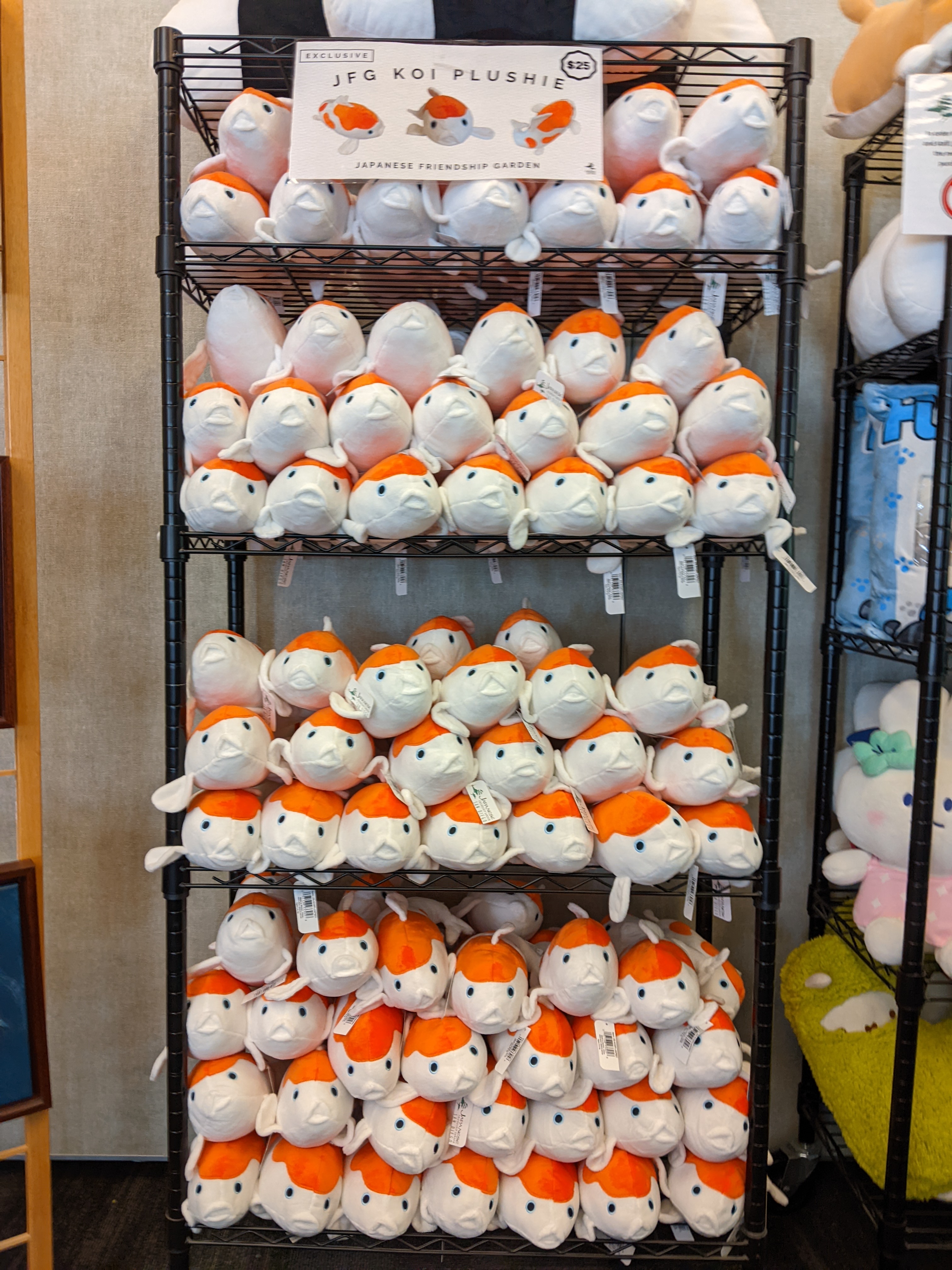
お土産屋さんはコイのぬいぐるみを売っていました。私は買いました。
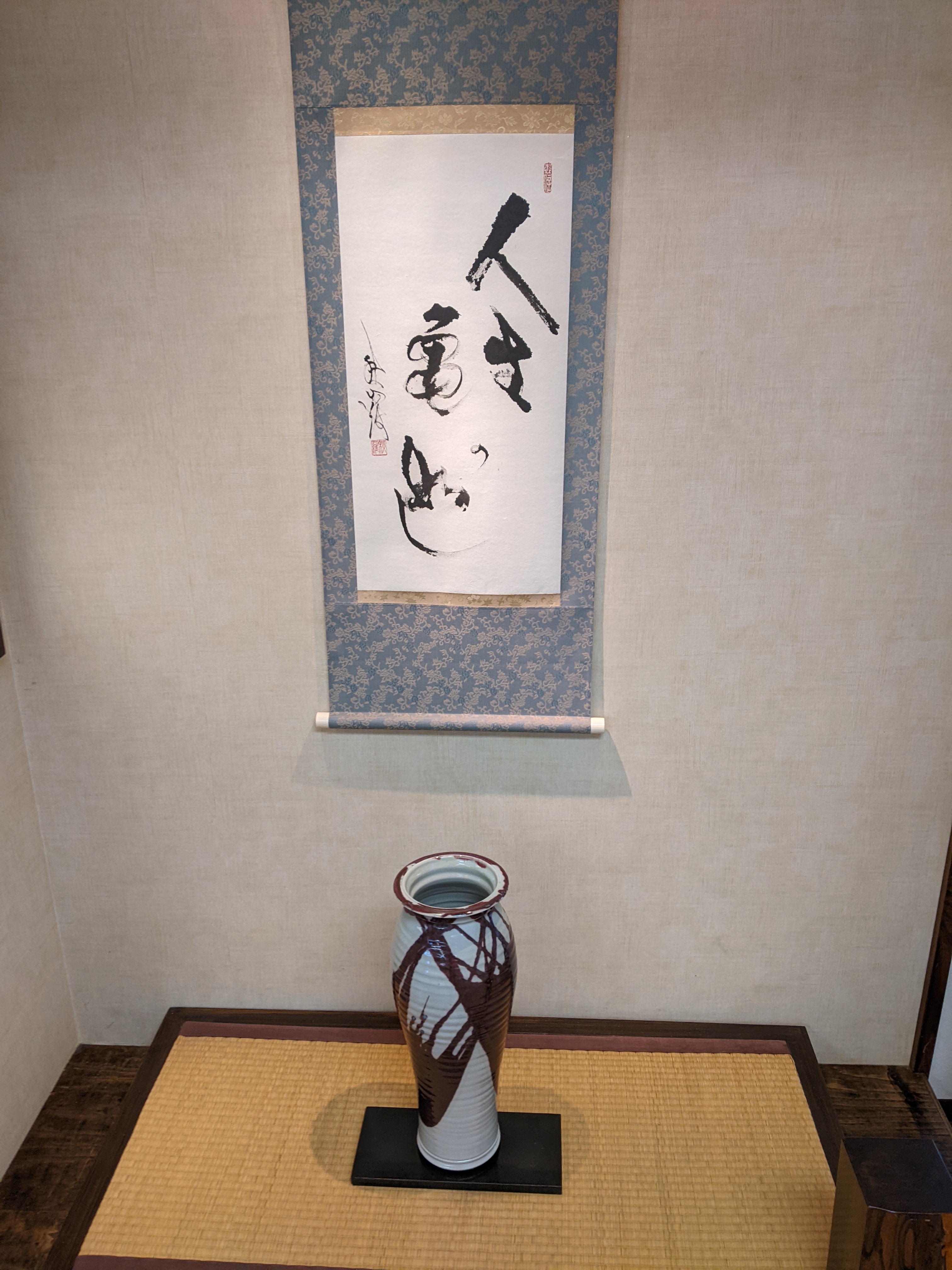
アートがたくさんありました。添水もありました。
添水のビデオです。
川底のコイです。
外出の終わりです。友達2人と行きました。
それは「日本の友情の庭」です。草書が読めません。どういう意味か教えてください。
サンディエゴは横浜の姉妹都市です。横浜のことを習いたいです。日本語で単語が分かりませんが、都市の友情は私をしあわせにします。
[[gift economy]] and [[Peer production]]
Anagora is a garden reader
A post from 2-20 to see what it looks like
Tinkering with the site, getting the logs section working. This page on group_by in Liquid is useful. Covers posts grouped by year and month, among other expressions.
[[Maya]] has collected our chat on [[Wheel of the Year]] and related stuff here - https://maya.land/fragments/neil-wheel-of-the-year/
Reading the news, various claims considered:
Continuing the addition of [[epistemic disclosure]] to notes in my digital garden, I’ve been adding an ‘agreement vector’ to any claims that I make.
Listening: [[The Political Economy of Solarpunk (with Andrew Dana Hudson)]]
today is a day for best effort and gentle improvement. writing a self-review for work always makes me want to unalive myself (even when I think I’m doing well???) so we’re not being real ambitious outside of getting that done (well, besides all the normal work nonsense).
hope I have time to paint this evening.
r/zerowaste has neat suggestions for less wasteful alternatives for party favors.
what do people do instead of leggings that’s not [[polyester]]?
I continue to want a lefty equivalent to the work of [[robert putnam]], looking at his new book. building little communities that aren’t toxic seems so, so important but I don’t trust the man
true patterns evolve naturally within systems, and are found rather than crafted.

let’s share what we know - world wide web
Thinking about some conversation from the [[agora discuss]] channel. What is the value of automatic [[licensing]] for text? I think there is a nice spirit in the idea of imbuing everything you do with sharing, as [[neil]] noted. That isn’t without value. But I want someone to come and ask me if they want to do something with my words. I want that connection, I think. [[m15o]] emailed me when they started nightfall city to see if my feed could be added and it was great.
I have [[zines]] that I don’t want digitalized. A physical object going from one person to another — an envelope, a proximity, a hand-to-hand — it seems important to the thing. Maybe this is a little like that. I probably need to think about it more.
There are kinds of aggregation, indexing, etc. that I might in strict terms need to explicitly license to enable, and that I might want to encourage — what are they?
Tomorrow the first concert since [[covid]]. I wonder if it’ll feel strange to be there.
annotated a thing about someone’s application of library science to their PKM system. I’m always cheered to see the application of information science to anything close to my world…
they discuss the dewey decimal system noting that it’s nice that people are pivoting away from it, but independently of its creator’s Problematic Status and the nonsensical imbalances of its categories, I have a deep emotional attachment to it — spending a lot of my childhood stomping over to 636 to find books about animals, sidling over to 133 (a risky thing for a child in that circumstance) to look for books on Witch Stuff, vast amounts of time and effort prompted by 745…
thinking about how to share the annotations here made me want to list some [[open agora questions]] I have.
anyway, following the thing I wrote about tarot cards I’m now wondering if I could tag my different stuff with [[astrological houses]]. wouldn’t that be fun? "[The] Hemoroids, the Stone, Strangury, Poysons, and Bladder are ruled by [the eighth] house", after all.
reading religious writing from people who aren’t dead is emotionally difficult. I find myself checking Twitter bios, trying to figure out if I’m going to feel punched in the gut when some otherwise progressive essayist turns to Sexual Ethics and Gender Roles.
but dead people! man, the dead!
“But whom do I treat unjustly,” you say, “by keeping what is my own?” Tell me, what is your own? What did you bring into this life? From where did you receive it? It is as if someone were to take the first seat in the theater, then bar everyone else from attending, so that one person alone enjoys what is offered for the benefit of all in common—this is what the rich do. They seize common goods before others have the opportunity, then claim them as their own by right of preemption. For if we all took only what was necessary to satisfy our own needs, giving the rest to those who lack, no one would be rich, so no one would be poor, and no one would be in need.
[…]
Who are the greedy? Those who are not satisfied with what suffices for their own needs. Who are the robbers? Those who take for themselves what rightfully belongs to everyone. And you, are you not greedy? Are you not a robber? The things you received in trust as a stewardship, have you not appropriated them for yourself? Is not the person who strips another of clothing called a thief? And those who do not clothe the naked when they have the power to do so, should they not be called the same? The bread you are holding back is for the hungry, the clothes you keep put away are for the naked, the shoes that are rotting away with disuse are for those who have none, the silver you keep buried in the earth is for the needy. You are thus guilty of injustice toward as many as you might have aided, and did not.
that’s someone with a real concrete view of The Commons!
That St. Basil is cited in a partner piece:
My Twitter feed is full of friend-of-a-friend GoFundMe [[medical debt]] appeals, and I weigh the specific needs and particular faces against the more abstract but possibly higher-leverage donation to an organization like RIP Medical Debt, which buys and forgives bundled debt at a discount. My donation to a friend’s debt is paid dollar for dollar to their creditor, finally leaving them free. My donation to the organization buys debt at a discount, a penny for a dollar discharged, pencil erasers scrubbing ledgers clear without ever seeing the names.
Our family’s uneasy balance is to try to include a mix of both. When we receive a personal call to give, we answer—and then we match that donation to a friend with one to Against Malaria or another [[effective altruist]] group. We want the love we have for the people we know to be the cause of our service to the people we haven’t gotten to meet, the ones whose need may be deliberately hidden from us. We don’t want to train ourselves in indifference to an open hand, even if each particular gift may not be the biggest impact we can have.
sometimes I leave tabs open for entirely emotional reasons.


Why have these been open for weeks? What does it say that I couldn’t get rid of them?
[[flancian]] was asking after my admittedly hare-brained scheme to organize my notes by the [[astrological houses]]. the impetus is entirely this:
The thing that’s really beautiful about [[astrology]], about [[Tarot]], about [[palm-reading]]: they have crystallized a way of looking at the world. Divide up all your concerns in life into weighted categories, please. How will you do it? What is the [[Huffman encoding]] of your life?1 If it were me, an embarrassing thing to admit is that I could probably devote one whole twelfth to The Explaining of Systems, as with whiteboarded box and line graphs, or awkwardly non-linear emails. In a sense, divination is a way of reminding me to not weight these concerns too heavily: family, travel, partnership, romance, money, friends… each of these has its slice of the medieval sky. Intellectual concerns, work success, they have lines on the palm, stars and houses-but their part of the distribution is limited. The transient metrics that can define my day at work are nowhere to be found: Latency is not given a Tarot card, nor CPU utilization a planet in the sky.
Anybody else feel like johnny decimal would require way too much… idk, commitment? I guess now I have the bash skills to rearrange things if necessary.
I’ll also here note that it is one of the great sorrows of my time as a CS student that [[information theory]] was given such short shrift. ↩
Concept: the opposite of this. A prize for not a feed of Takes, but something with at least some real thematic structure. [[nathalie lawhead]] to judge and yes design counts. 1 winner per continent.
Trying to [[crowdsource]] a [[think tank]]… I distrust it.
I should look at getting the [[fonts]] from their page’s designers’ website, though. It’s a nice pairing, and I need to get less knee jerk about my dislike of sans serif body text.
[[File error: Getting attributes, Permission denied, /run/user/1001/emacs]]
Awesome article: [[Markets in the Next System]].
I love that I can edit journal from agora website now. be the pull request you want to see in the world lol
[[space time]]
[[e c]]
DONE [[hashtags]]
In Flancia we [[hacked the internet]]
[[orange hair]] == [[🦰]] == [[%F0%9F%A6%B0]]
[[braids]] + [[dust theory]] == [[?]]
[[samatha]]
TODO auto pull wp in empty nodes
TODO stop responding to hashtags in moa party
[[work]]
[[flancia]]
I used to take Wednesdays off quite often to spend on Flancia — but haven’t for a while. there’s a lot to do at work and I need to catch up.
Looking forward to getting back into it!
DONE I’ll at least try to finish with work early tonight.
[[mathew lowry]]
[[frijof capra]]
I walked along the river with friends today and we chanced upon a street food market — five hours flew by! I am thankful for a beautiful day.
Watching: [[Don’t Look Up]]
I like Iain M. Banks and I’m currently re-reading [[Look to Windward]] because in [[Red Plenty]] it was described it as an example of a 20th century [[Marxian idyll]]. It’s good and all but I’m reading the [[Culture]] now as kind of all premised on [[Prometheanism]] / [[fully automated luxury communism]]. I’m gonna reread [[A Wizard of Earthsea]] (last read as a young teen!) by [[Ursula K. Le Guin]] next as in [[Half-Earth Socialism]] they describe that as [[Jennerite ecological scepticism]] and that is more my bag lately.
I feel happy discovering more and more as I get older that sci-fi books I took off my Mum’s bookshelf as a kid are in fact often allegorical for some kind of radical politics that I had no idea of at the time.
[[Scorched Earth: Beyond the Digital Age to a Post-Capitalist World]]
I am sad that [[Thatcherism]] is a thing.
[[Commons]]
Listening: [[The Value of a Whale with Adrienne Buller]]
Reflecting that in 1976 [[The Lucas Plan]] was put together by factory workers to counter proposed job cuts. It was based on notions of [[socially useful production]] and included things like heat pumps, wind turbines, energy efficient houses. In 1976!
I watched [[The Black Panthers: Vanguard of the Revolution]] and [[The Weather Underground]] documentaries. Almost hard to comprehend what a powder keg the 60s and 70s were in America. The cold-blooded murder of [[Fred Hampton]] is truly shocking… words fail.
Also germane to think how the artwork of [[Emory Douglas]] and The Black Panther paper got the party to places where they might not otherwise have reached.
What excites you?
[[The Ministry for the Future]] is pretty hard going. I mean it’s good. But it is really kind of drilling home how bad things could get with the climate crisis, not just the extreme weather events, but the political fallout too.
Back from a short city break to [[Manchester]]. Was a lot of fun. We packed a lot in.
Read: [[Revolutionary Strategies on a Heated Earth]]
I shoud reread [[The Next Revolution]] to compare and contrast with the recent [[eco-socialism]] stuff.
Doing a couple [[pomodoro for the revolution]] at Agora Meet.
New claims:
[[Cuba is the most sustainably developed country in the world]]
I should create a second account for the Agora on Twitter, @an_agora is having many problems. If nothing else I’ll use it to test; the fact that I don’t have a test account makes it so that the bot is broken half the time because I don’t have a release process for meaningfully testing changes. It’s pretty terrible. For [[agora server]] I have dev.anagora.org and a local environment, but not for bots in [[agora bridge]].
Another thought: sqlite in [[agora bridge]] will really help with this, as bots could just query the graph stored in [[agora]] (root repo) instead of having to rely on Twitter for all state in the social graph.
This leads, again, to the question: should we just use [[moa]] as [[agora bridge]]?
– Stafford Beer quoted in [[Cybernetic Revolutionaries]]
Make better use of [[unicode]] :)
[[containers]]
git revert, silly, but it happens :) this way we learn.modprobe -r psmouse then modprobe psmouse (!).Read: [[Ecosocialism for Realists: Transitions, Trade-Offs, and Authoritarian Dangers]]
Listened: [[The Week in Green Software: Netflix, Refurbishment and Anti-Greenwashing Laws]]
Listened: [[Trebor Scholz on Platform Cooperativism]]
Started having a play around with [[Anytype]].
I upgraded [[spacemacs]] to latest and updated all Melpa packages to latest. Now various things in my [[org-roam]] setup aren’t working. Sigh.
Finished writing and sent [[Reclaim roundup July 2023]].
obsidian-icon-folder (repo) plugin on [[Obsidian]] to feel at home like in [[Notion]] and [[Coda]].Tags: #dailynotes #daily-notes
Listened: [[Kohei Saito on Degrowth Communism]]
Some good [[right to repair]] news lately. What with the Californian repair bill passing state legislature. And the EU ecodesign requirements on smartphones and tablets.
And also: [[STATEMENT: Google announces 10 years of tech support for Chromebooks]]
Not all good though: [[Google won’t repair cracked Pixel Watch screens]]
Got org-roam working with Doom Emacs in Termux. To a certain degree. Few niggly issues but decent start. [[Setting up Doom Emacs in termux on Android]]
Don’t sync org-roam.db between machines.
Getting into org-roam on Termux. Useful extra tool in addition to orgzly for taking fleeting notes on my phone. Actually, Termux is more the processing of fleeting notes into actual notes.
Enjoying the Upstream interview with Breht and Alyson from Rev Left / Red Menace. They seem a bit more tempered here on another show - left to their own devices can sometimes come across tankie. Lots of good discussion of the need for an [[ecology of organisation]] here. [[What Is To Be Done? with Breht O’Shea and Alyson Escalante]].
Watching Coraline. It’s fun. I feel a bit seen by the Dad character…
This bit of text committed from my phone… will it work?
Read: [[Universal basic services: the power of decommodifying survival]]
[[Problem with Kobo Clara HD battery]]. It is draining really fast.
Started reading Kate Soper’s [[Post-Growth Living]]. It’ll be about how a move away from consumerism will actually bring about a more enjoyable life.
Been enjoying [[Superstore]] of late.
We played the [[Rise Up]] board game tonight.
Had to give up on [[Red Enlightenment: On Socialism, Science and Spirituality]] for now.
Started on [[Talking to My Daughter About the Economy]] instead.
Read: [[Forest and Factory]]
Listened: [[The Art and Science of Communism, Part 1 (ft. Nick Chavez, Phil Neel)]]
[[Listened]]: [[Jeremy Hunt’s election budget for big earners and big owners]]
Don’t think I’ll be able to do a [[new connections]] page.
Listened: [[What if we became better Protopians?]]
[[Watched]]: [[Miners’ Strike 1984: The Battle For Britain]]
Listened: [[Black Box: Prologue: The collision]]
Listened: [[Black Box: Episode one – The connectionists]]
Listened: [[Black Box: Episode three – Repocalypse now]]
Listened: [[The Problem With America’s Ban on TikTok]]
[[Listened]] to [[Should the UK stop arming Israel?]]
[[Nonprofits should (almost) never write their own software]]
I [[listened]] to [[Degrowth vs Eco-Modernism]].
Listened to [[Opening the Vicious Circle of Risk Rating (ft. Ariel Bogle)]]
[[Ecology]]
I should put more images in my garden.
Finally finished watching [[Miners’ Strike 1984: The Battle For Britain]].
Read [[Palestine speaks for everyone]]
[[wp cli]] is handy.
In a [[causal loop diagram]], where do you put actions, things that happen? I guess it’s a flow. But, what causes the flow?
Listened: [[Towards Socialism and the End of Capitalism: An Introduction]]
God, [[snap]] is eating up a lot of space on my drive.
[[Bookmarked]]
[[Any human power can be resisted and changed by human beings]].
[[Listened]]: [[Technofeudalism: What Killed Capitalism?]]
In the latest episode of ‘Neil tries to update something related to Emacs’ (see [[2025-05-27]]):
Later: I fixed it by moving the files out of the org-roam dir for the project, then moving them back in and processing then in batches of 1000 at a time.
Going to start moving some repos from Github and Gitlab to [[Codeberg]].
[[Four in five Britons want the government to do more to support repair]].
As I we pass mid-June I am:
I now intend to:
In the absence of time to do much in the way of [[knowledge commoning]] at present, I figure the least I can do is more consistently share my bookmarks.
[[Bookmarked]]:
[[Read]]:
Blog post idea - something to do with crises, shocks, resilient democracy, shock doctrine of the left, based on reading Fuchs article.
[[Bookmarked]]:
[[Listened]]:
[[Zettled]]:
It’s time to start latest Emacs Carnival post, cutting it fine 2 days before end of month as usual :D
Wrote:
Jammed:
[[Bookmarked]]:
[[Read]]:
As I create more main notes, a graph view of constellations would become increasingly handy.
[[Zettled]]:
[[Listened]]:
[[Data brokers]]. Vacuuming up your data, then asking you to opt out of them using it.
I seem to be having the usual post fresh install snappiness, which is nice. Like I say everytime, I should do it more often…
Got a little rusty on how this works over the past weeks (forgot where command pallate was, lol (view menu)), but started up again. Maybe I can get into a daily note habit. It’s been hot and windy. Dusty. Can’t wait til we get enough into the monsoon season to be able to dig some. Workshop and recyclables organization is in progress. Got a few plants growing Got thinking about plant cuttings, but turns out its time to plant them not take them, that’s a winter thing. So instead wanna focus on catching up the notes on the central projects. Sort of a weird coincidence, someone else who makes their notes public in a similar fashion (using org-roam, tho) had a note on convivial tools and a lot of good notes on that - made me deprioritize my own notes on that. Still will make the notes eventually, since I have my own way of wanting to do it
[[Bookmarked]]:
[[Bookmarked]]:
[[Bookmarked]]:
[[Bookmarked]]:
[[Bookmarked]]:
Story and journal.
2025 was about 1.43 degrees above pre industrial temperatures
2015 - 2025 was warmest decade on record https://wmo.int/news/media-centre/wmo-confirms-2025-was-one-of-warmest-years-record
We’ve probably already breached the Paris Agreement targets.
[[Zettled]]:
systemctl disable pds.service --user and systemctl stop pds.service --user.git clone https://github.com/johnnesky/beepbox.git --mirror, maybe [[repack it]] and stuff that in the curation as ‘bonus content.’. But software is beyond Git histories. That existence usually has a purpose. Just reading on BeepBox‘s releases on GitHub when there’s this first v0.1 release; that it made me realize: why. BeepBox is already self-preserved, even to its compiled builds and community creations. But I don’t think I would‘ve cared about pre-release .swf files, had I not been interested in the Flashpoint Archive. People should care, and now it’ll be a click away with little to no setup.Over tcp it serves HTTP: a web interface, [[agora server]].
Port [[5018]] is also optimistically claimed to serve an API, [[agora bridge]].
https://github.com/majek/fluxcapacitor/blob/master/README.md
The engine that powers DeLorean! Contribute to majek/fluxcapacitor development by creating an account on GitHub.
RT @thomasp85: Rapture #828 https://t.co/VsmWLQqGWo
https://en.wikipedia.org/wiki/Michel_Philippot <button class="pull-url autopull" value="https://en.wikipedia.org/wiki/Michel_Philippot">pull</button>
https://www.crockford.com/misty/
A programming language by Douglas Crockford
[[P- Chris Granger]] I really like the idea of make a quick copy, clear out parts of it and then sharing that as a conceptual model for partial sharing of concrete things. Gigjam had something similar, though without the copying part which I think is important because it allows for controlled change.
[[Flancian]] [[Neil]] [[vera]]
#FtFI 2021 07 28
Linus Lee
9am - Linus Lee, 9:30am - Kevin Lin (Dendron), 10am - Rafael Nepo (mee.cc)

gardening
more like
chronolo
good notes should behave like a memory
context infinite transcript of your thoughts that was our life’s canvas for ideas
Captured ideas > missed ideas fast lightweight always available
adding > updating ideas
destructive
write right where u reference
append first
supersede
Ideas cnat recall are worse than useless
effective reacall seazrch connections
connections reminders
backlong references
contextual reminders
time is essential to how we remember
knowledge in the context of time Linus Lee


"Highliht first rather than graph first"
Monocle

12.000 docs
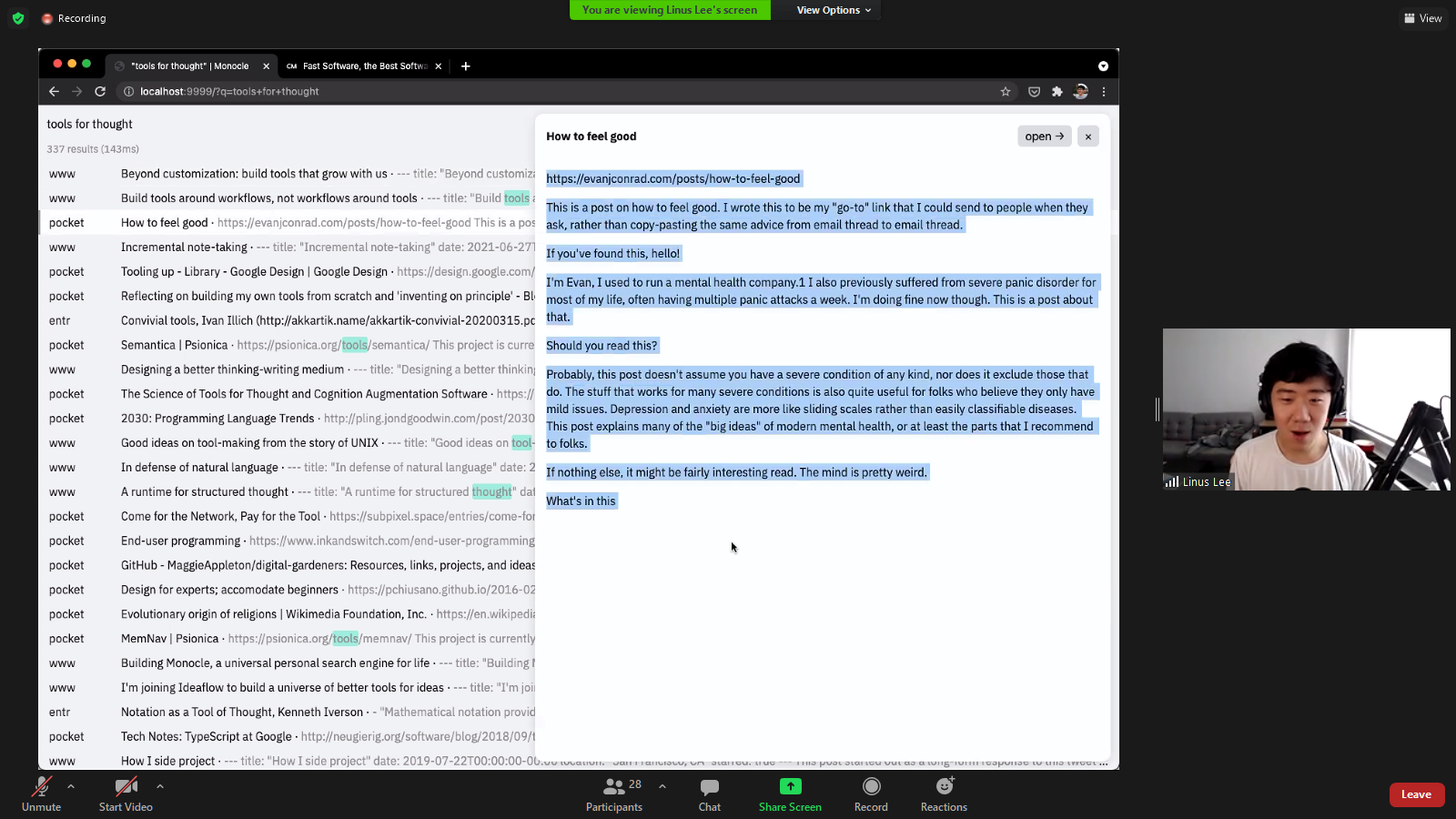

realtime 
json index

Search happens in the browser

Searching Google is disvoeery
searching my path` trigram index
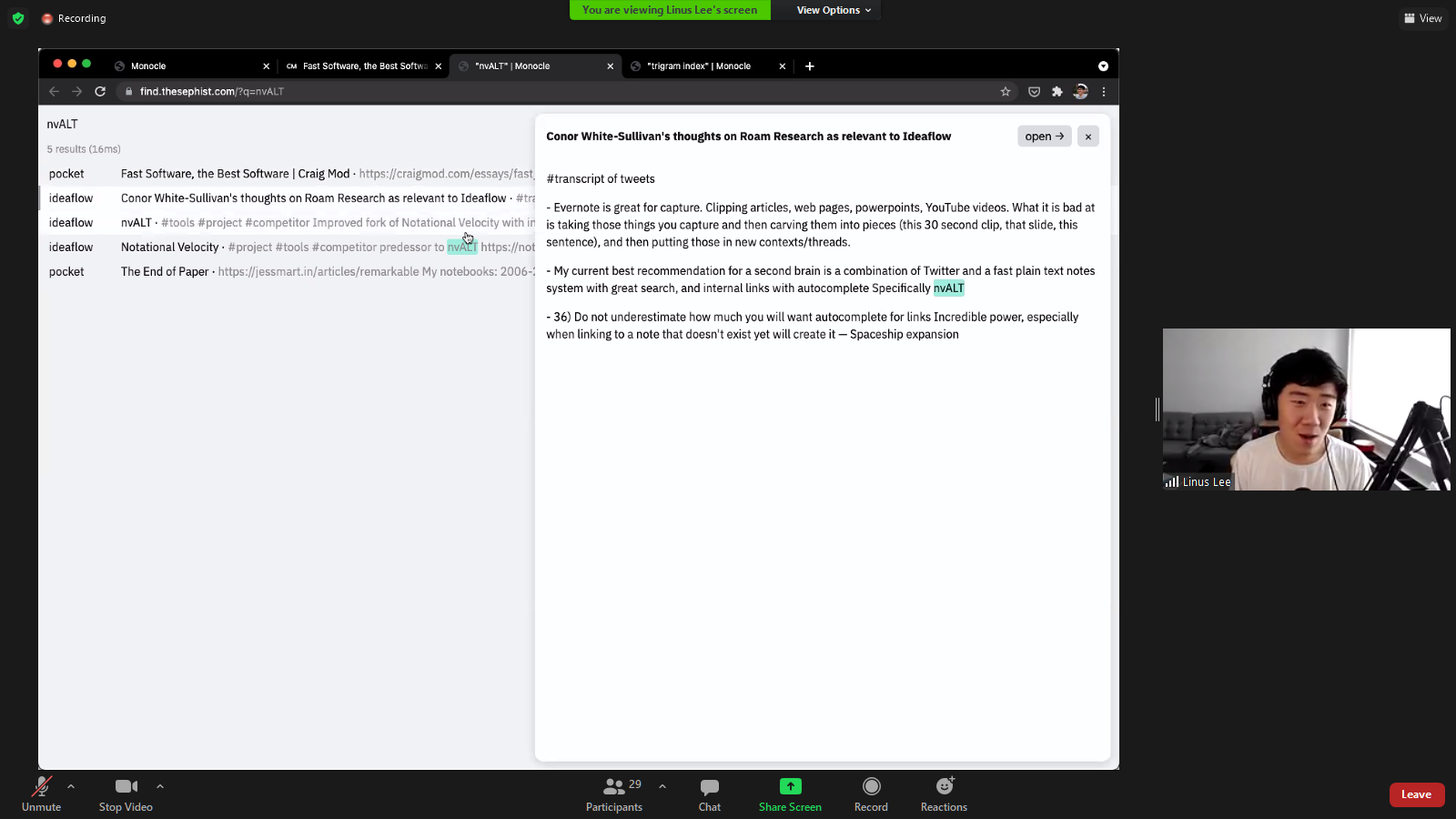

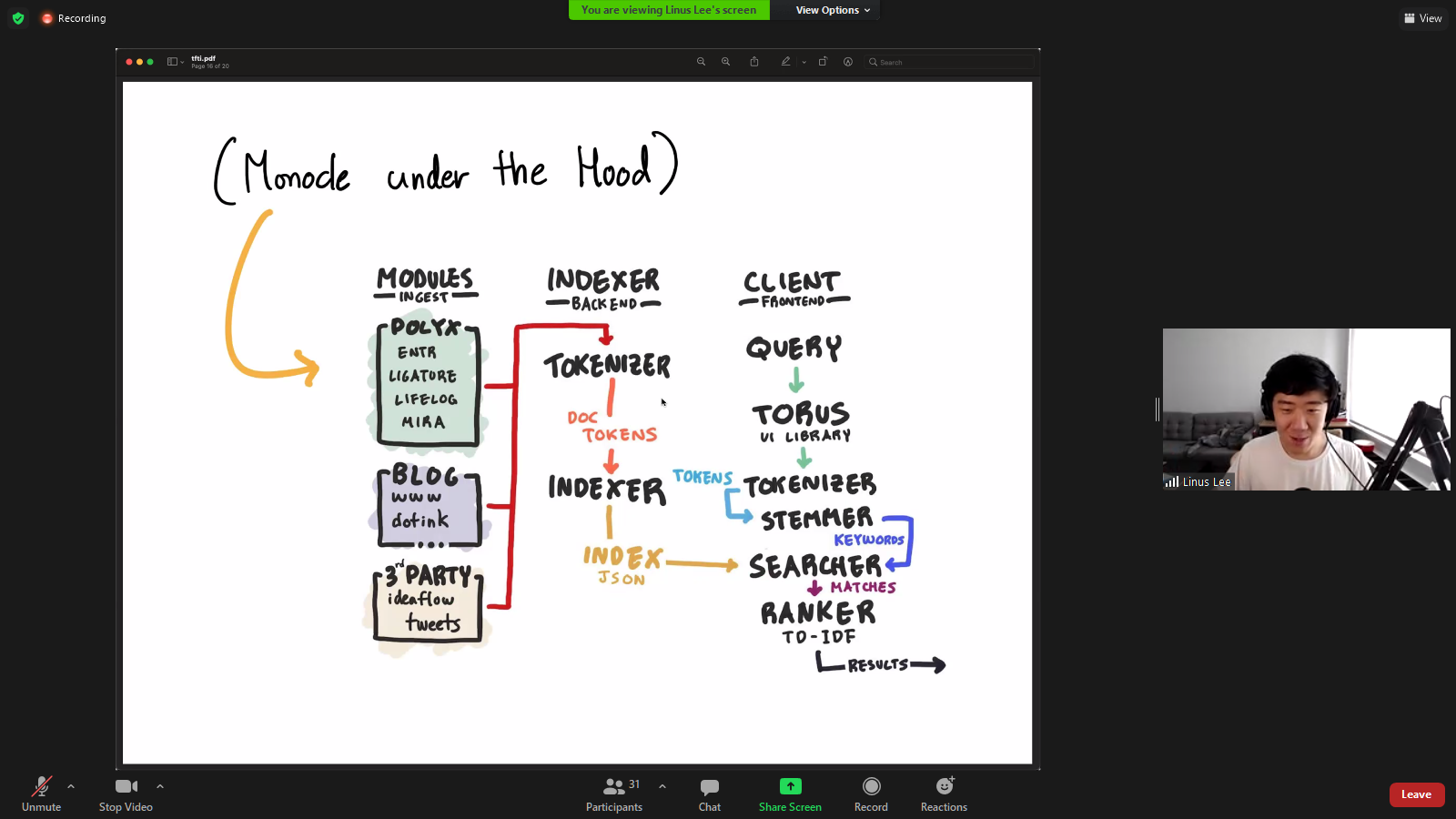

APSE a Personal search Engine Dogsheep.github.io
From Jess Martin to Everyone: 06:22 PM re: real-time feedback, my fav feature of my note-taking system is the live autocomplete across my notes when I type [[. But that’s just titles! Would love a full index.

search brings up the tools that can do infinite
shared storage layer
https://mymind.com/ has a pretty powerful image search, i’ve been surprised how good it is at matching words to the content of images
Linus you said something like "Highlight first rather than graph first"
ingesdt and search one flow
indexing pocket
Linus Lee
Personal append
kevin8


hierarchical knowledge base local firstbuilt into the IDE
Excell


type system for your notes
YAML


vaults folder work/Personalpublishe/private

NPM for docs
mode is composable
you get that because
easy to publish discover
XML sfailed
realy hard to sepcigy format
the only structure is the hiearach
Make Knowledge more like Code

Comoposable modular re-usable

partition your knowledge


find ans share all the things you are thinking about

start from a blank page articulate my learning
Everything is a conversation remix, articulation, discovery
make code more like learning
Boris!!!!
namespaces moderation reputation
`
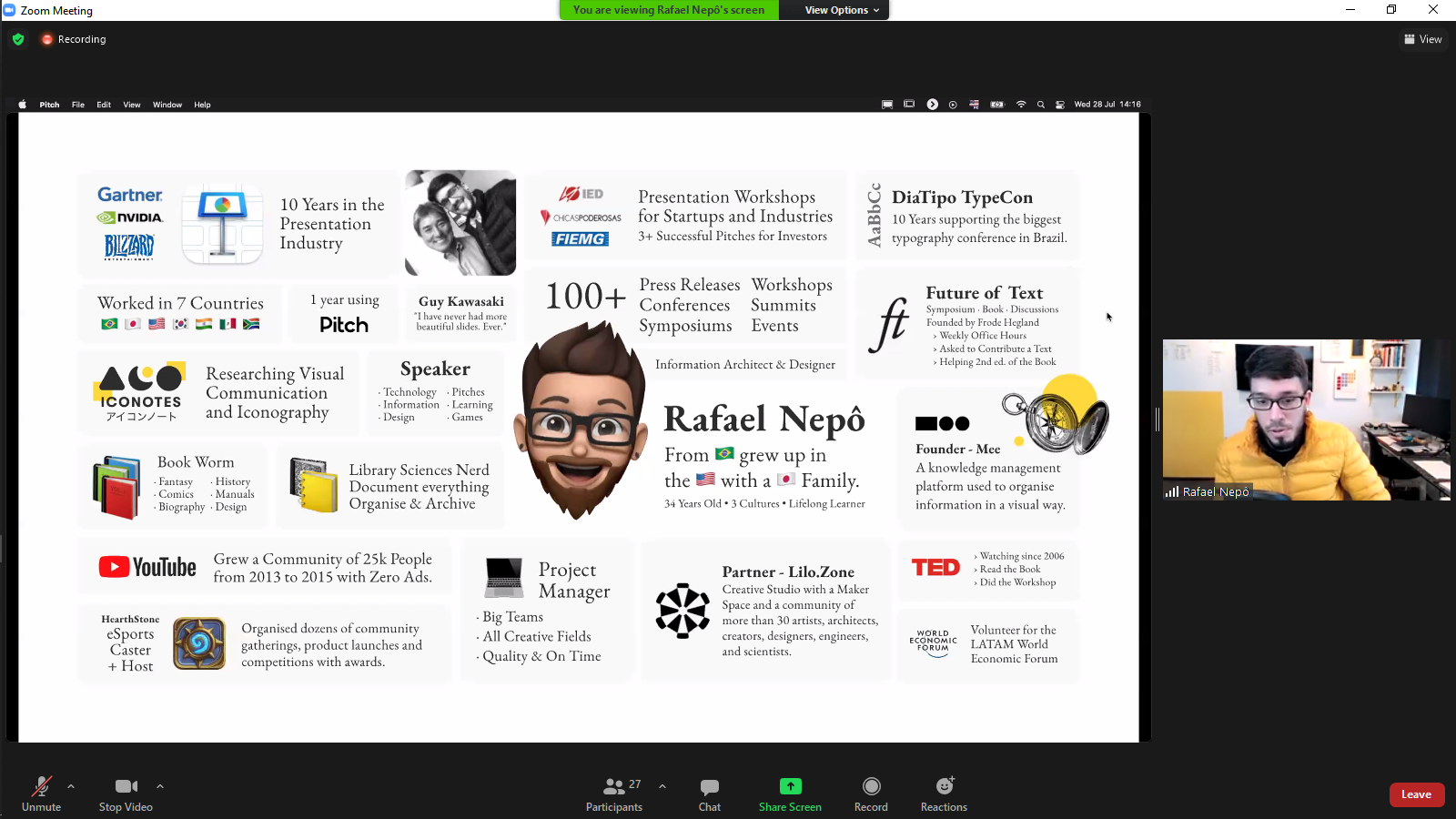

You do not know something exist until you stumble upon *
organize things in a modular function Trail and Cards form a board
Organize and present information
make full screen that go
templates for a card 100s
Calendar Card
Video Cards

Navigation Drawer
filter sort and naviage
by type
oldest to newsest
back of the cards textyou can find it
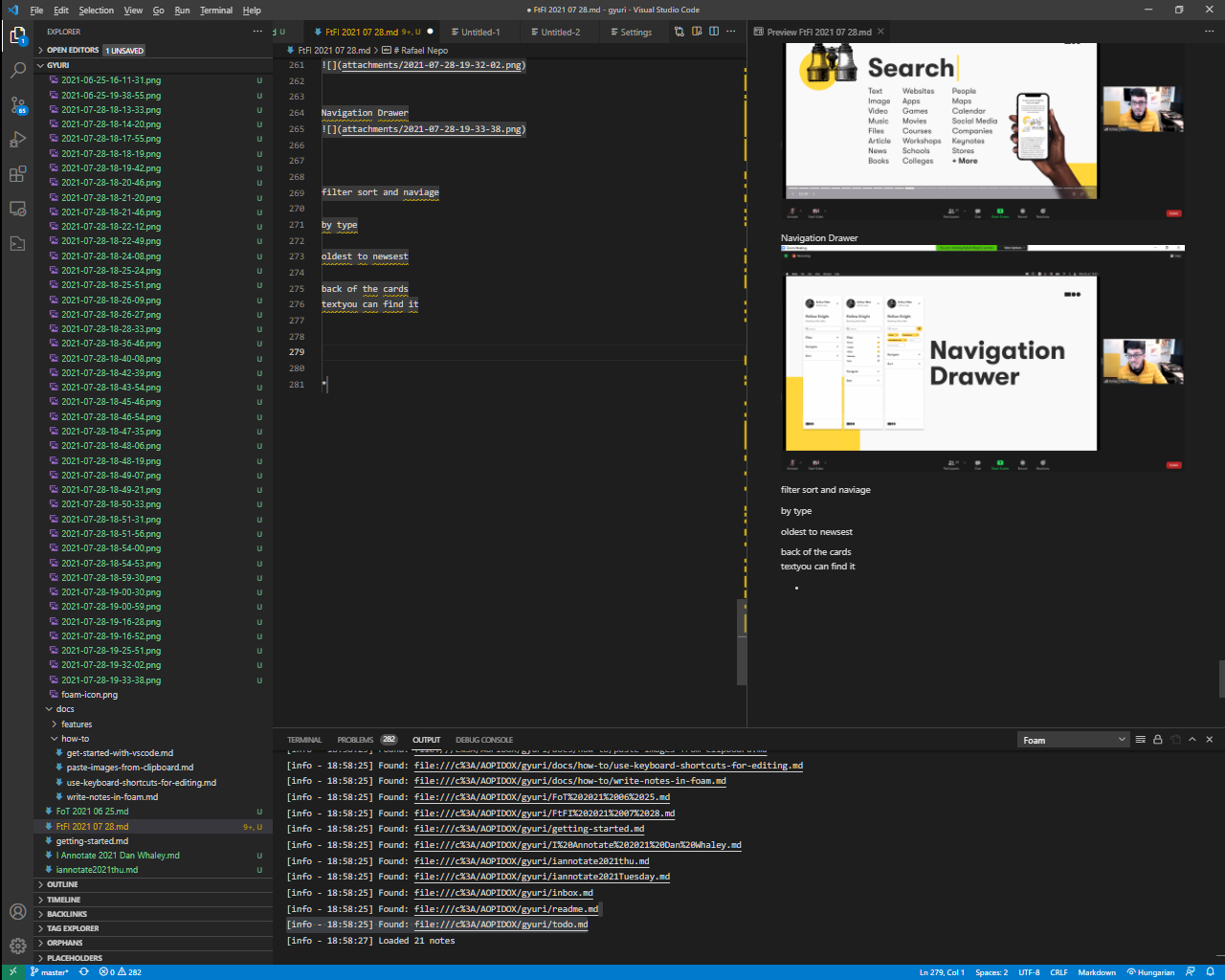
Tree starts at a tree life time endeavour


*
collaborative space for sharing events
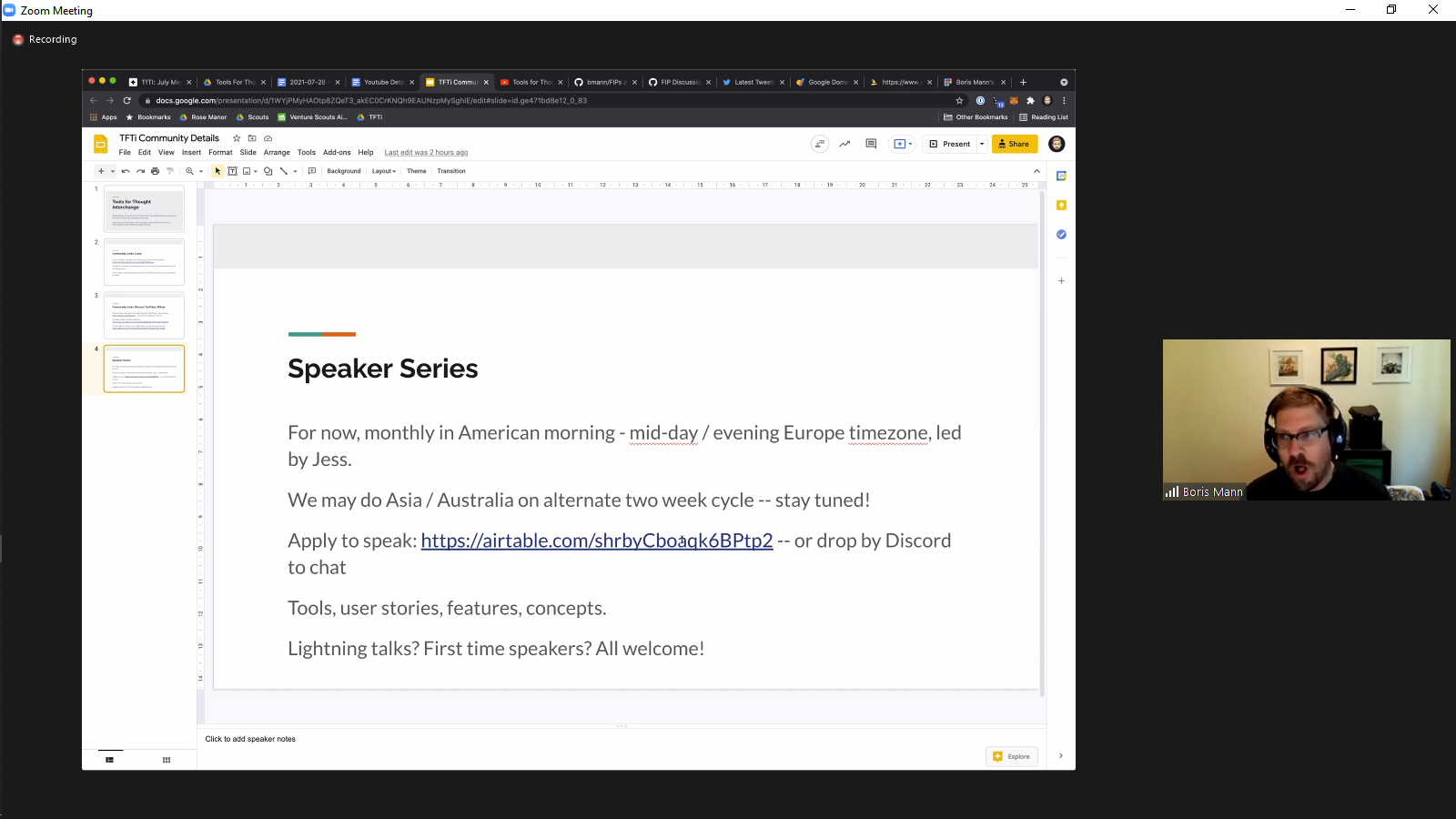
Tanni understoru
Rel8 is part of a "flotilla" of related projects, most notably Open Global Mind, The Meta Project, The Massive Human Intelligence Project, and Think Camp.
Who are the neighbors? Check out [[The View from Rel8’s Mast.excalidraw]]. (Right now, this page won’t render. You will see raw graphics code. When we’ve completed the [[Render Excalidraw]] tile, it will look like an embedded diagram.)


Один из моих самых любимых рисунков. Я бы в такой трубе жил.


Это казанская набережная.

Majime Yamashita from Shimeji Simulation

Śramaṇa

The text las maravillas del universo is taken from a poem by Flancian. It is quoted in the next section, followed by a translation.
¡Gloria a dios!
¡Gloria a las maravillas del universo!
¡Gloria a la luz de la consciencia!
¡Gloria a los que trabajan por el bien de todos los seres!
¡Gloria a los que luchan por (y con) los oprimidos!
¡Gloria a los que avanzan la democracia (líquida)!
Glory to God!
Glory to the marvels of the universe!
Glory to the light of consciousness!
Glory to those who work for the good of all beings!
Glory to those who fight for (and with) the oppressed!
Glory to those who advance (liquid) democracy!
—-
1: I changed one word.
From Invalid interwiki: interwiki not set up :
Merveilles is associated with, but distinct from sensibilities like ”Solarpunk”, “Cyberpunk” or “Junkpunk” in that it is practical rather than speculative. Merveilles is distinct from intersecting hacker culture in that it asserts that quality of life is tied to an aesthetic enjoyment of it.


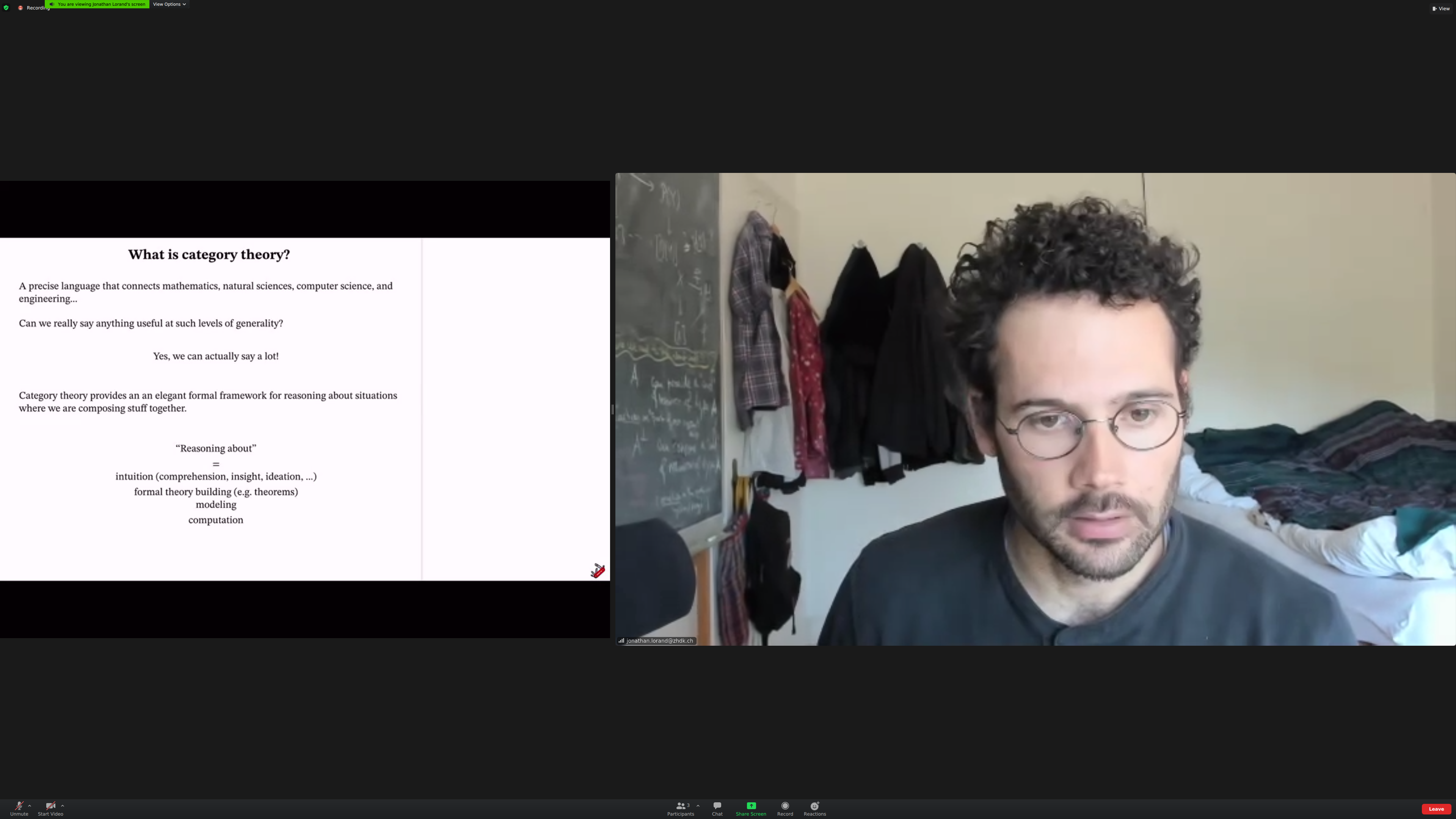
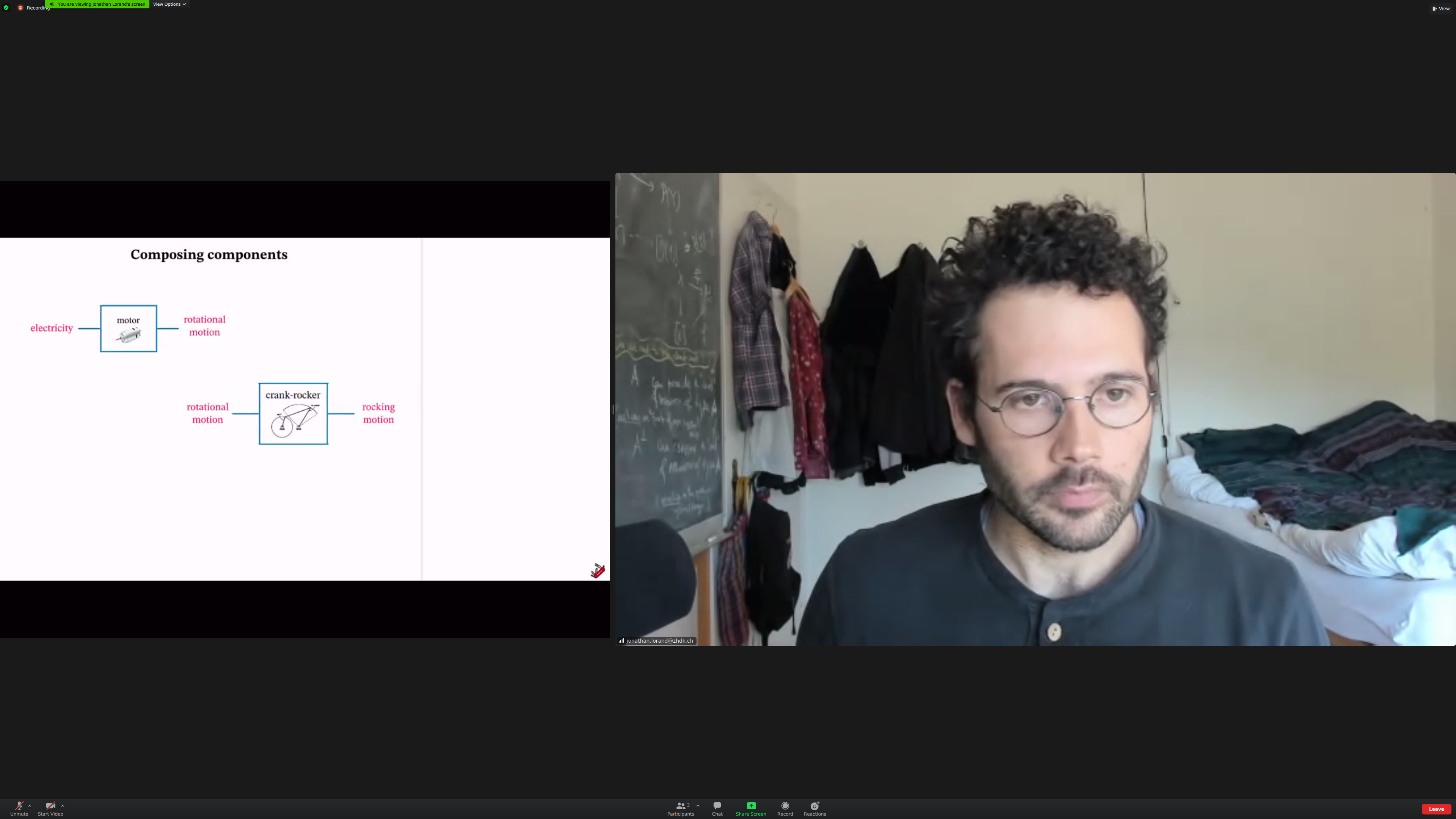
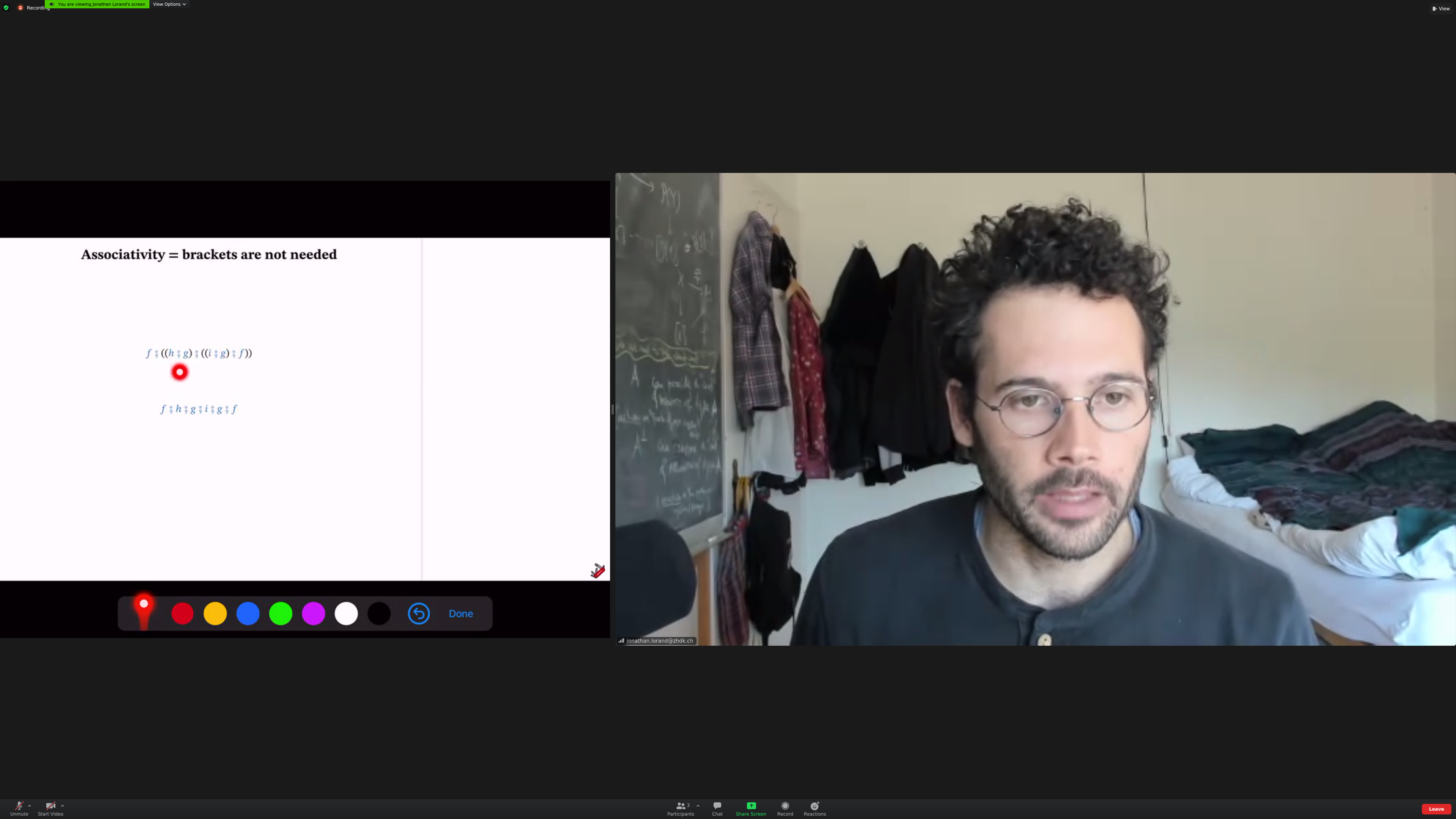


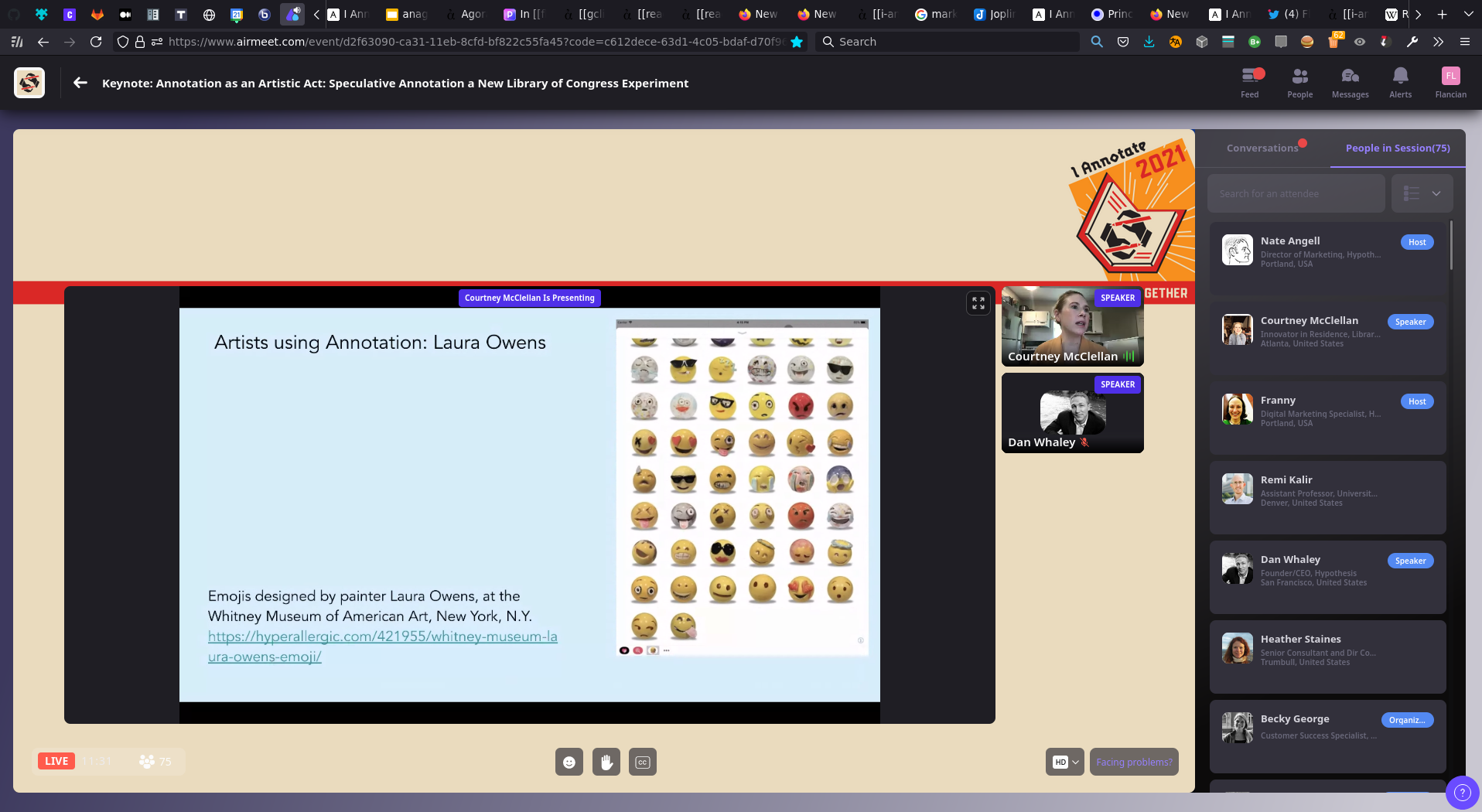


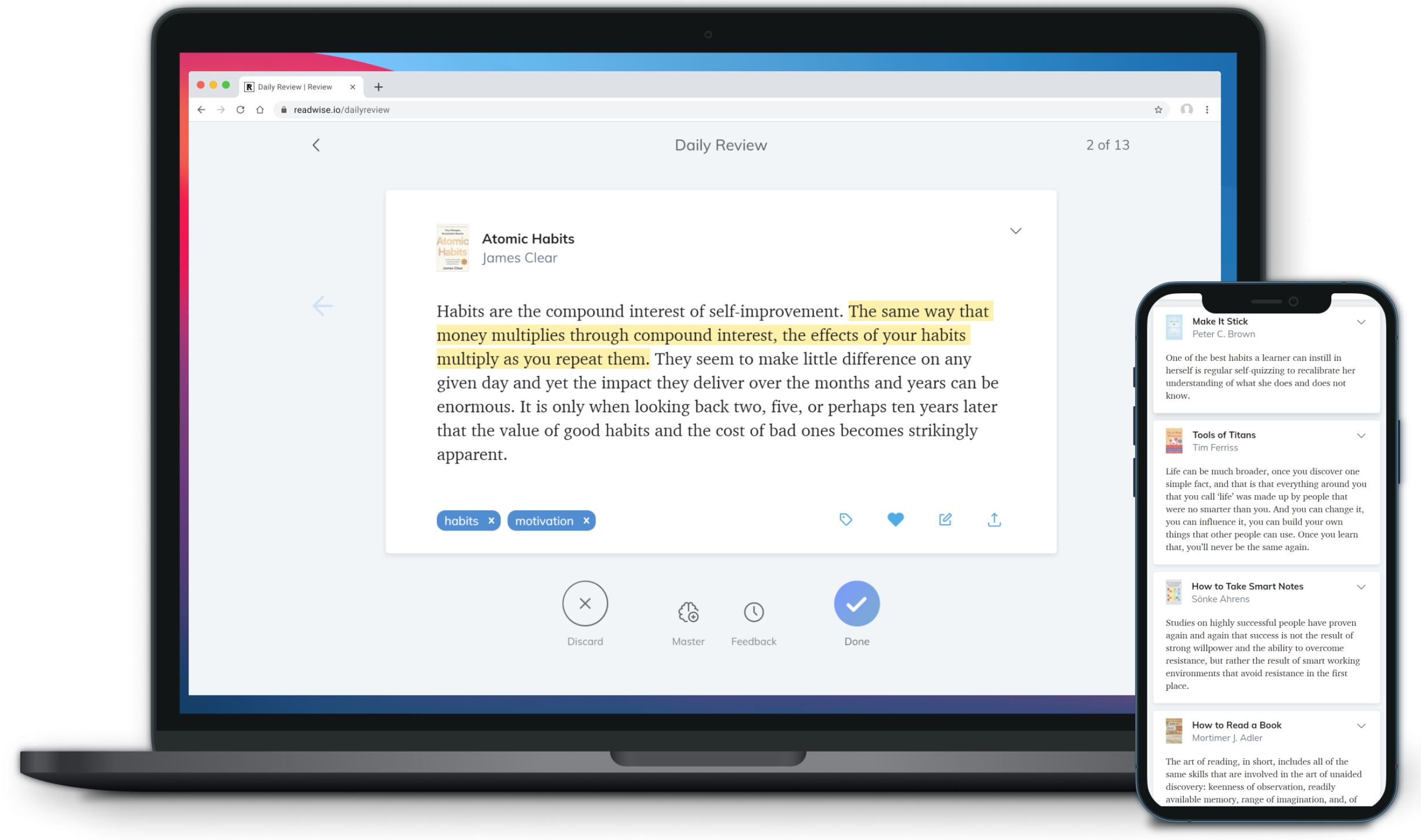
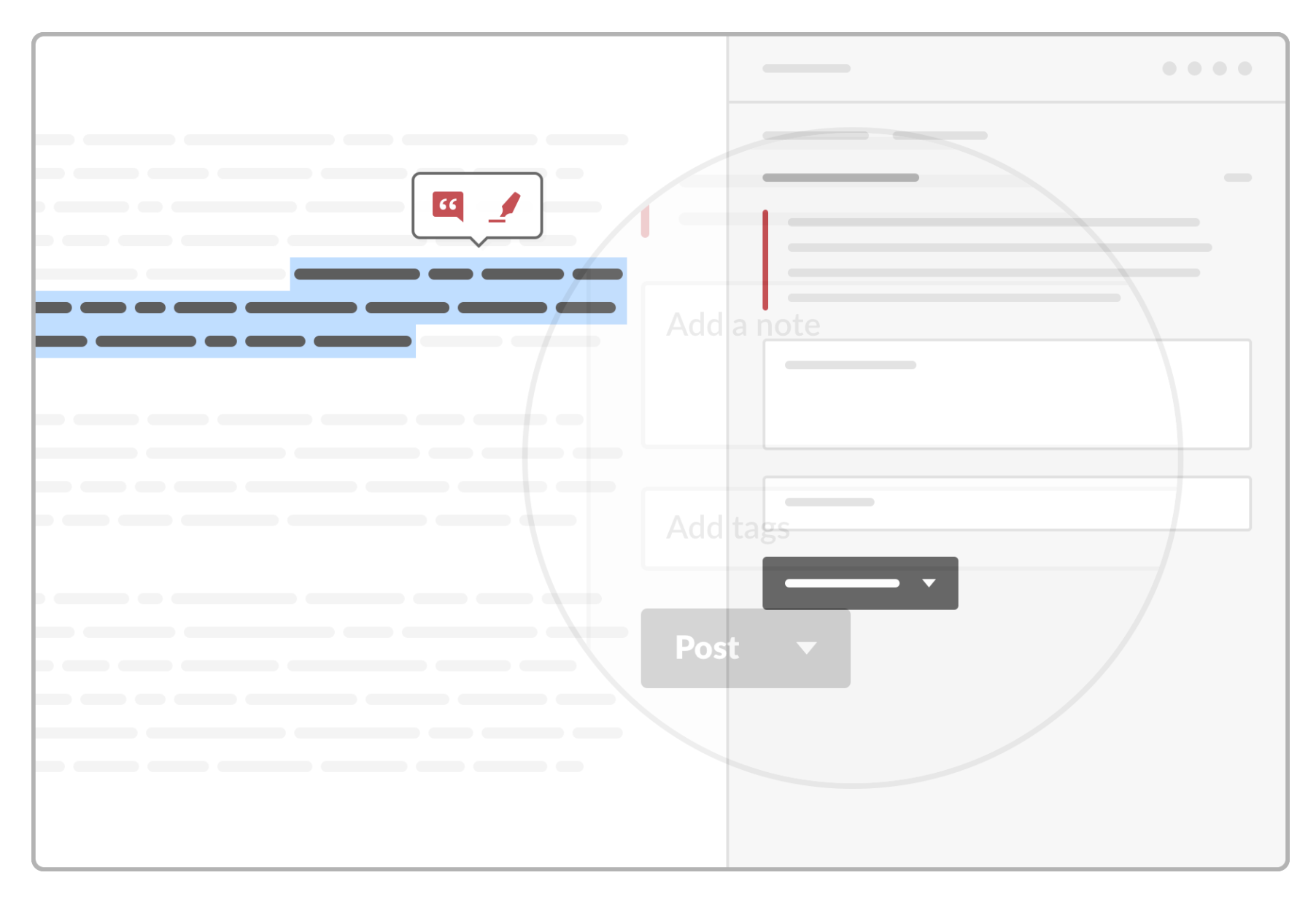
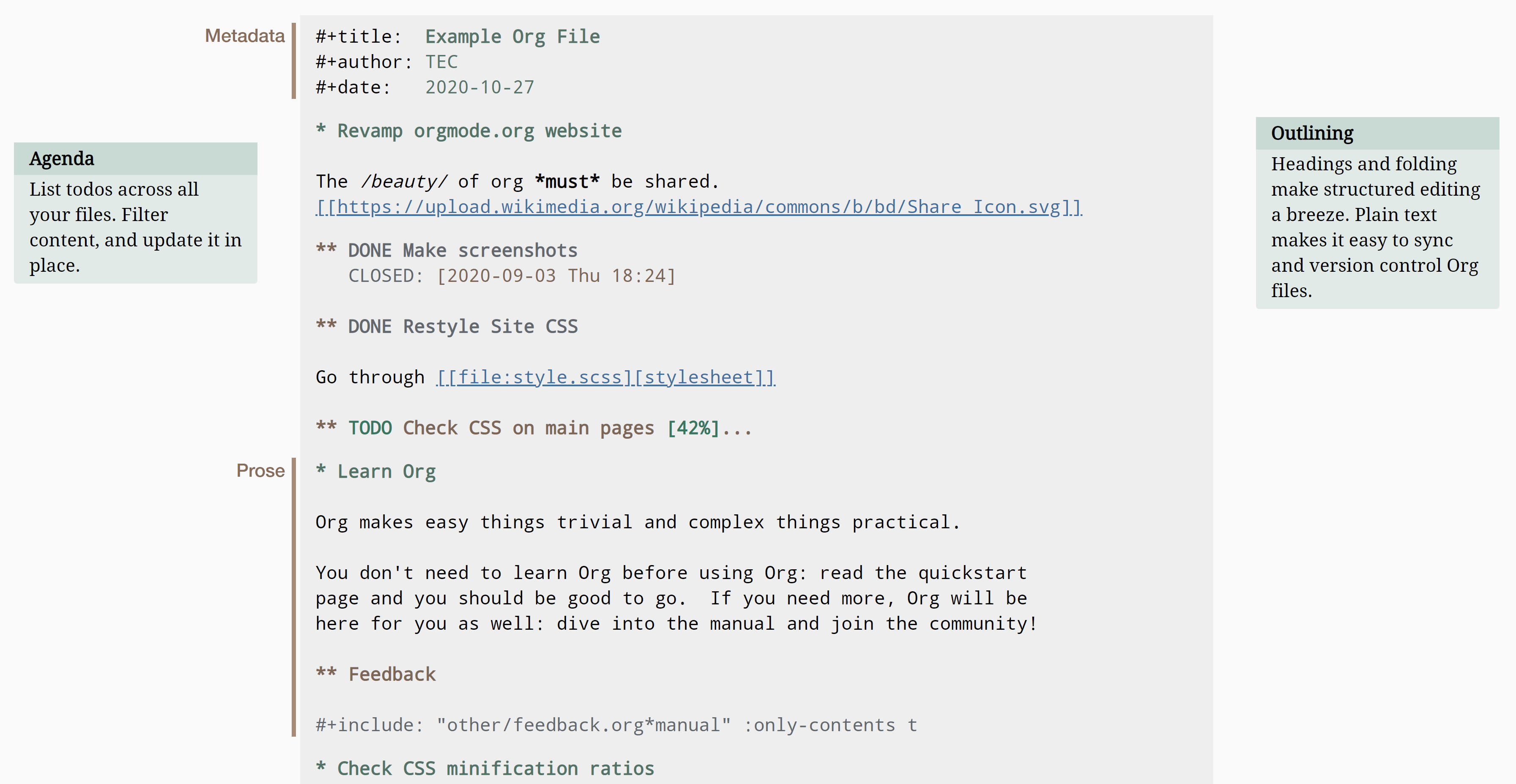
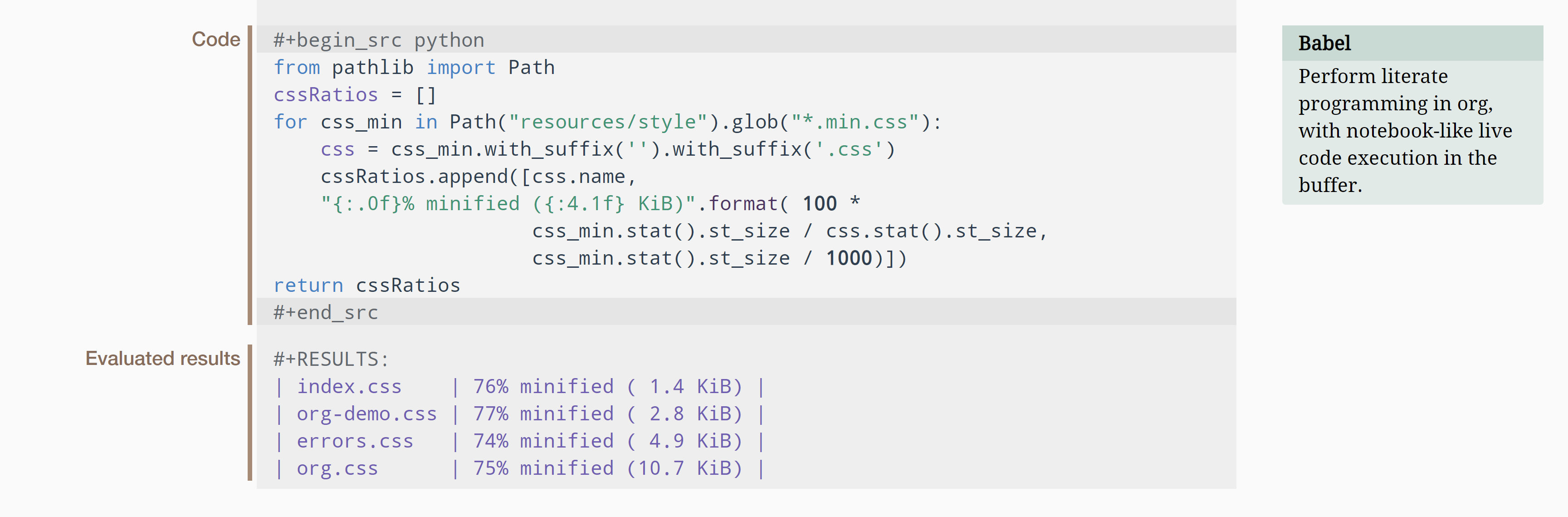
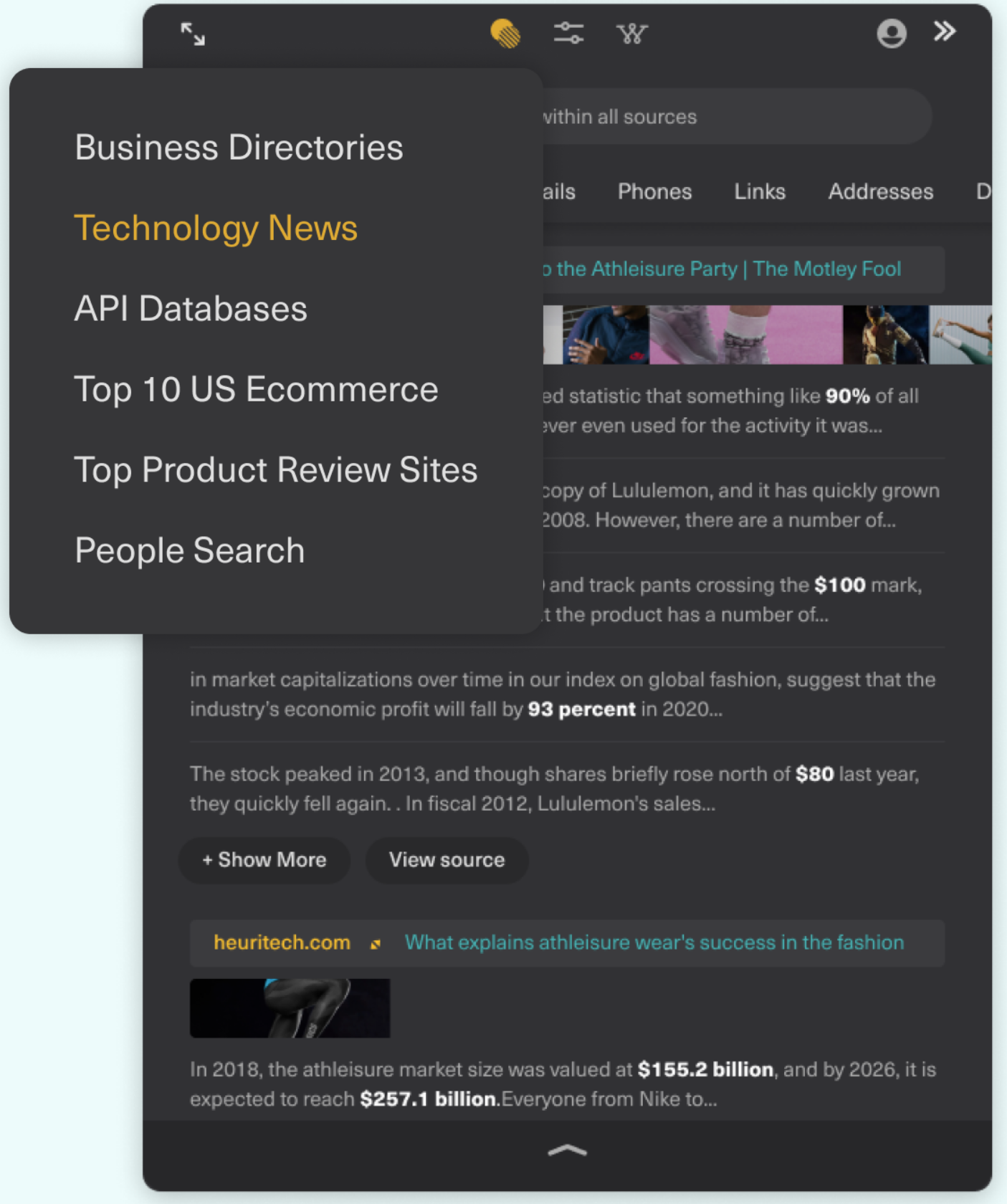
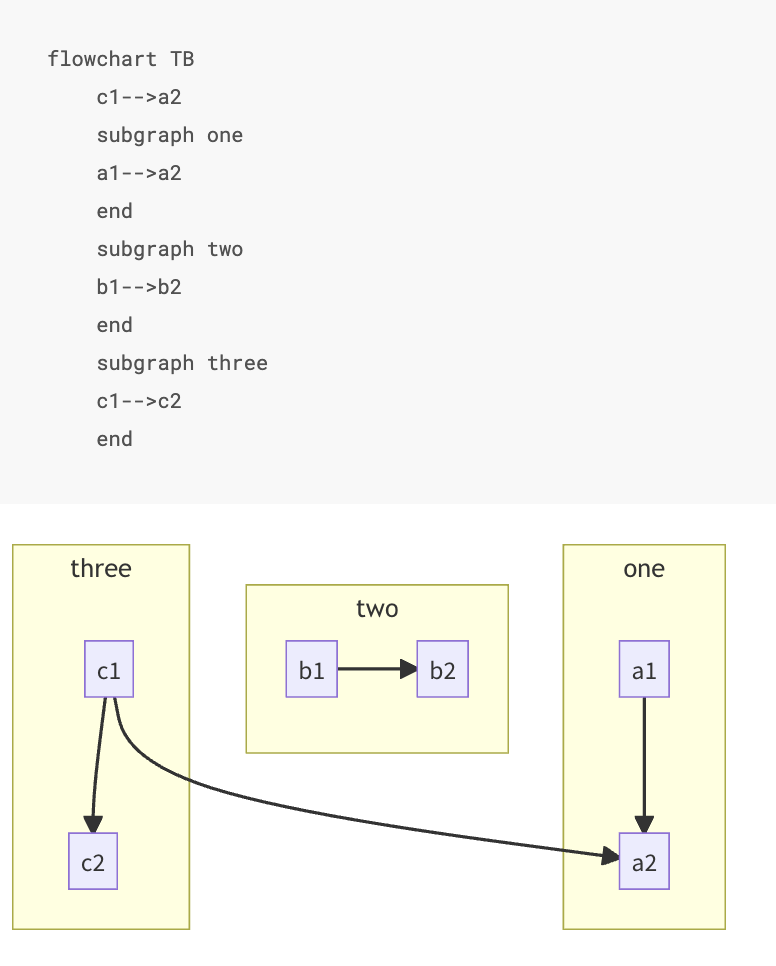
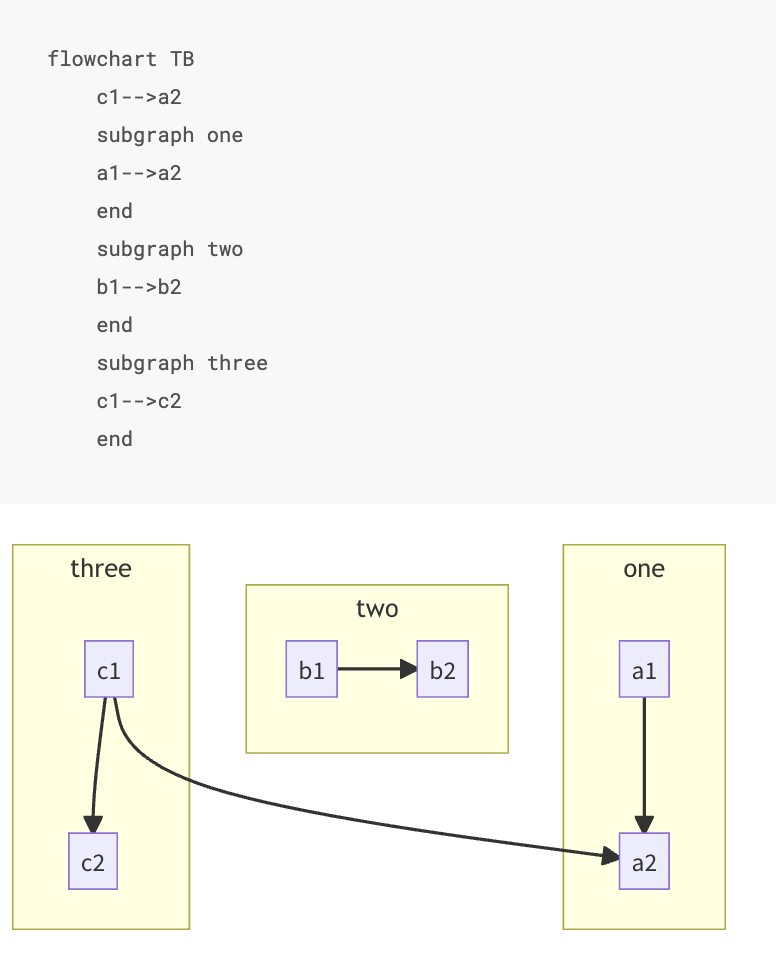
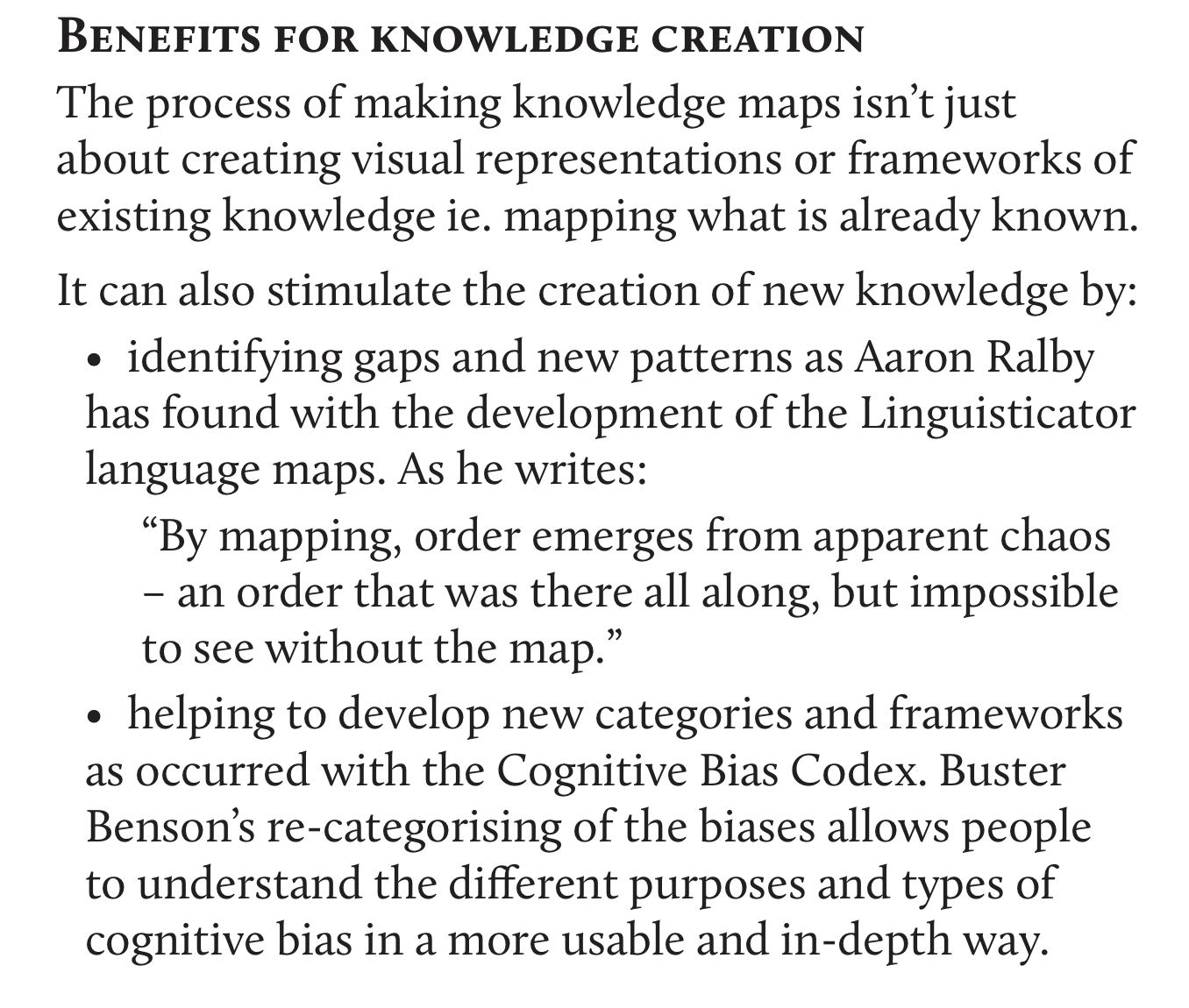
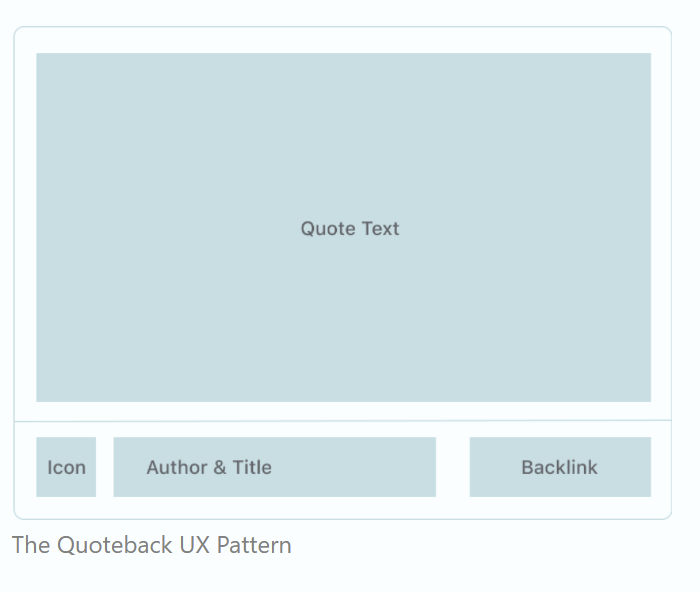
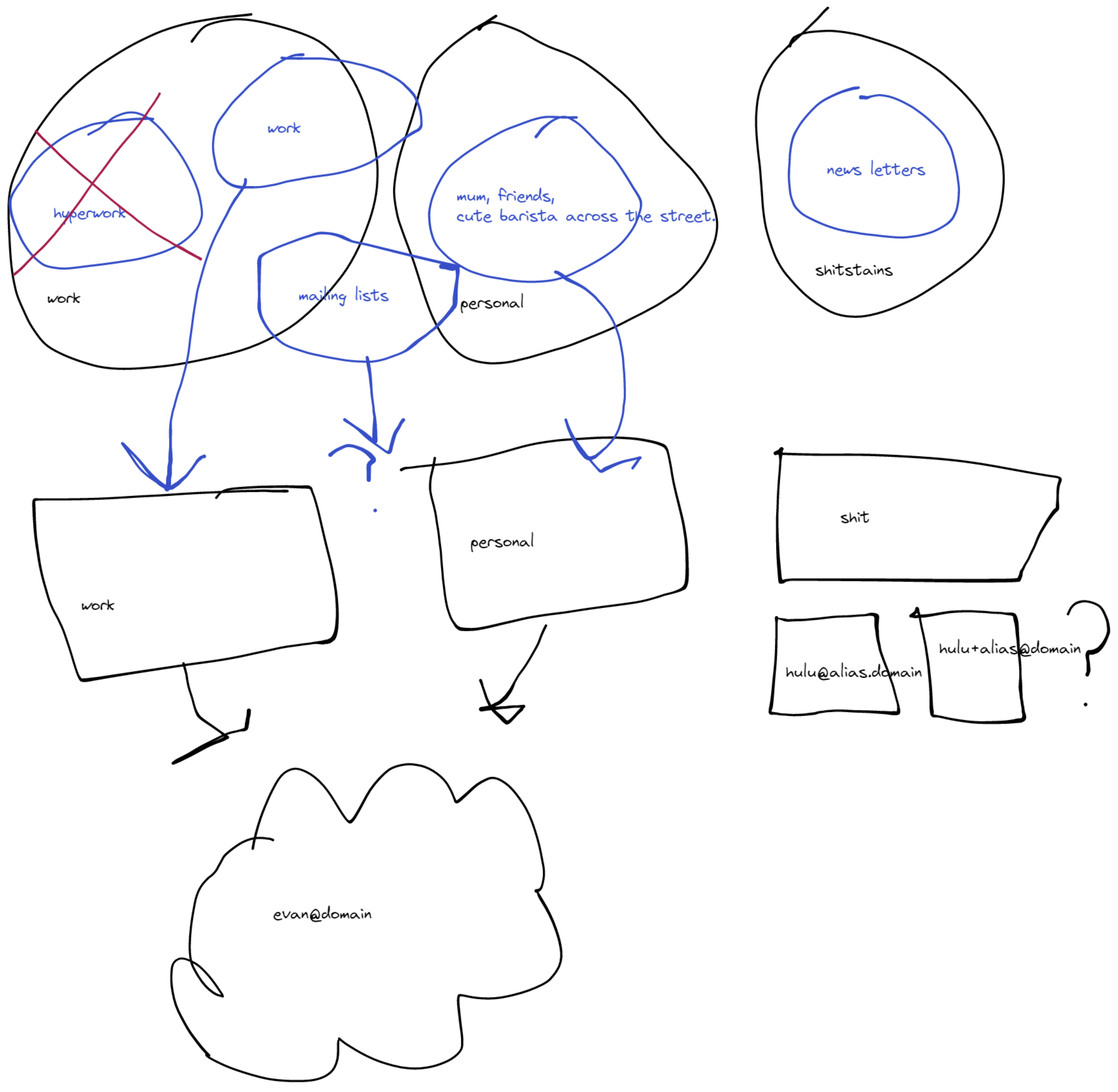
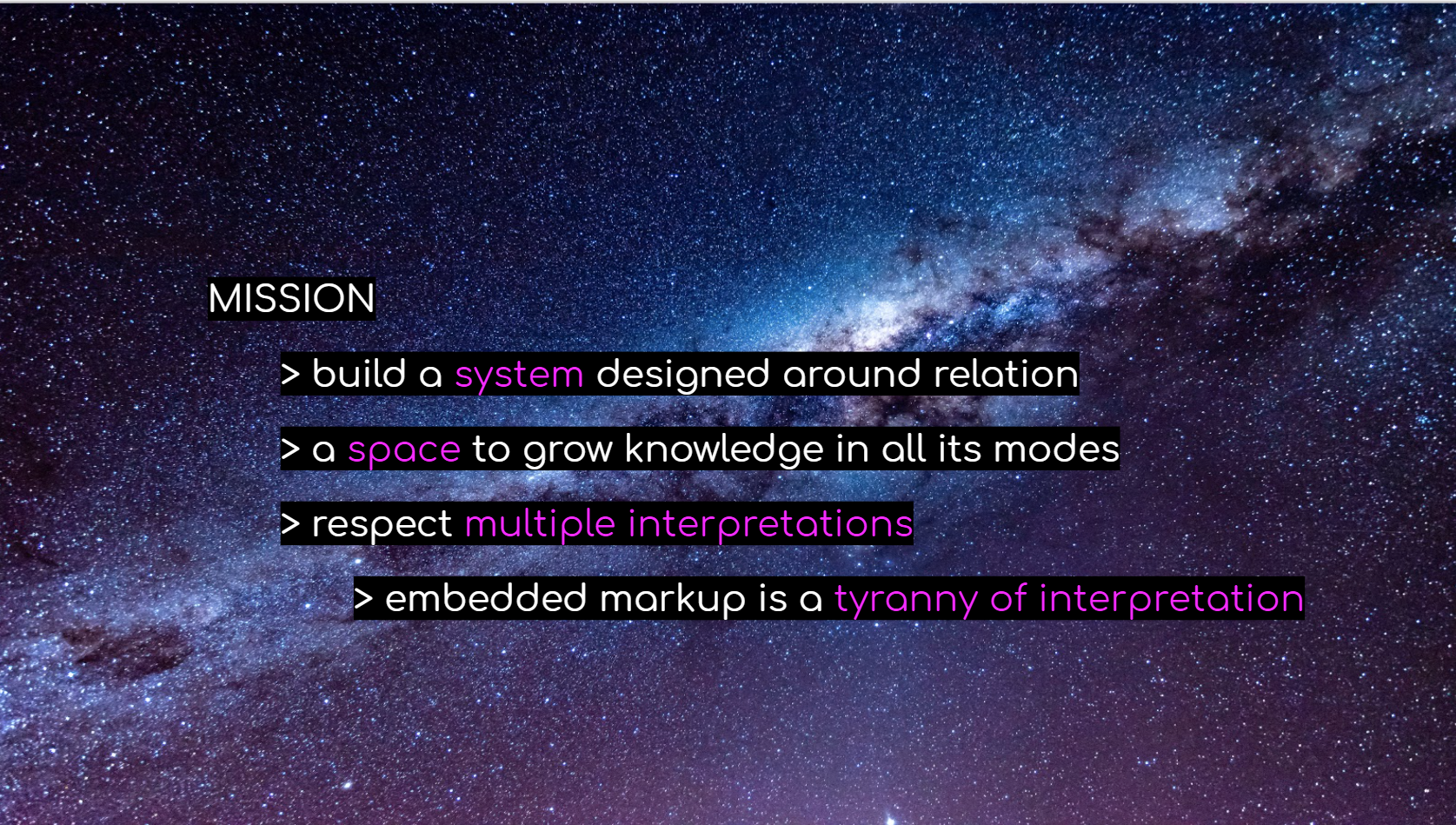


Two coin columns

«Лучше бы он поехал на поезде…»
“He should've got a train instead…”
2023-04-15, my plane to Moscow was cancelled for an unsaid reason. Had to ask for a different one. Well, I saved no time. A train would've been so much better. That's a lesson.

The exit gate of Pyramidsfeld.
I’m serious. Name one thing in computing that showed up after 1978 that wasn’t either an incremental improvement on a pre-1978 technology…
I’m serious. Name one thing in computing that showed up after 1978 that wasn’t either an incremental improvement on a pre-1978 technology or a crappier but cheaper version of a pre-1978 technology. I’m not trying to produce sophistry here. There’s a huge difference in the level of novelty of original research in computing tech during the span 1940–1980 and the level of novelty in the same after 1980, & it relates directly to economics.
From 1940 to 1980, computer science was being done by folks with doctorates & experience in other disciplines, funded by government money to do pure research & moonshot shit — especially ARPA funding starting in the wake of Sputnik for ed-tech. When that funding dried up, so did productivity in original research, because the ability to continue to be employed depended on profitability in a consumer market (which means racing to market… which means avoiding risky detours).
The exact same people have drastically different productivity levels with the two models. Kay at PARC in the 70s went from having seen a sketchpad demo to having a complete functioning live-editable GUI with network transparency in 10 years, because of government ed-tech money. In the early 80s, Kay moved to Atari & tried to continue the kind of work he had been doing. And then he got laid off, and went to Apple, got laid off again. The work he started in the 70s has been treading water because short term profits can’t support deep research.
This isn’t to say that what has happened since isn’t valuable. The computing technologies developed prior to 1980 have mostly become cheap enough that they have become accessible to a mass audience, in part because of iteration on manufacturing techniques, & mostly because of cheap labor (in the form of fresh-out-of-college CS students who will write bad code for half of what you’d pay the PhDs to refuse to write bad code, and will work unpaid overtime if you give them a ball pit and a superiority complex). But, using 70s tech to make 60s tech bigger (ex., deep neural networks) isn’t innovation — it’s doing the absolute most obvious thing under the circumstances, which is all that can be defended in a context of short-term profitability.
What armies of clerks were doing in the 30s was ‘computation’, sure, but it’s very different. The pointing devices we use, the look and feel of our UIs, and our UI metaphors haven’t changed since the 70s except in terms of resolution. Our network protocols haven’t much either.
This is to say:
Somebody who had used an Alto in 1979 could travel through time and sit down at a modern PC and know basically how to do most tasks — they would think of a modern PC as a faster but less featureful stripped down Alto clone, like the Star was. They could probably even code on it — they would have been familiar with UNIX shells & C, & with SGML-style markup. They would find it disappointingly awkard compared to Interlisp-D and Smalltalk environments they’re used to, but they could make it work.
Meanwhile, to somebody from 1940, home computer tech of 1980 would be mind- blowing. Such a person, even if they were in computing, would not be familiar with the concept of a programming language (since stored program computers didn’t exist yet).
The VC model ties into this difference. The best possible outcome, under the VC model, is that actual costs are low & the VCs get wild profits in the short term, after which they sell their stakes & don’t need to care anymore. The easiest & most reliable way to do that is a ponzi scheme (or, to be more technically correct, the pyramid-selling of hype — in this case, to other, marginally less savvy investors). With enough cash floating around, you can keep a company that provides no service & has no income afloat indefinitely, and everyone involved becomes a paper millionaire.
The goal of ARPA from ’57 to ’78 was quite different: to encourage children to become engineers in order to have an edge in a high-tech hot-war that never really ended up coming, and to build tech that lets them bootstrap new tech more easily. Massive short-term losses in that. (It obviously didn’t exactly work: we did end up getting a lot of cheap engineers, but few of them had the background to be able to more-than-iteratively improve upon the tech they grew up on, even had they been allowed to by management.)
The difference in development between the first 40 years of CS and the second 40 is absolutely not the result of the low-hanging fruit all being picked. The most interesting technical work is being done by individuals and small groups still. Important features & useful tools that were well known in the late 70s are actually missing from modern tech because of gaps in education & because having them prevents some avenues toward monetization. (Ex., you can’t live- edit software if the software is closed source.)
I really hate the “silicon valley is a center of innovation” memeplex & feel the need to inject some historical context whenever I see it. It’s weird, masturbatory, Wired Magazine bullshit & it leads to the lionization of no- talent con artists like Steve Jobs. Making money & making tech are very different skills, often fundamentally at odds: good tech is very often not profitable and the most profitable tech is just varying reframings of rentseeking. Very few people can do both well, and SV has a bias toward profit. Because of this, in most cases, the product isn’t actually the tech but the techwashing. Apple’s an excellent case in point. After they dropped the Apple ][ line, their main product was hype & terminology stolen from PARC with a free underpowered home computer thrown in (for the low low price of 8 grand).
In an environment where cash is king, when you can make bank on PR, it’s foolish to try to innovate — and the valley has learned this lesson better than it has learned anything else.
By John Ohno on November 21, 2019.
[Canonical link](https://medium.com/@enkiv2/silicon-valley-hasnt-innovated- since-1978-f98f315f2bf)
Exported from Medium on September 18, 2020.

I’ve just updated to Emacs 28. ([[Updating to Emacs 28 on Linux Mint]]).
What’s new and of interest to me?
A couple of references:
The main thing seems to be the addition of native compilation, which various sources state will give you a big speed boost. That’d be nice, although I’ve never really had a problem with speed.
LATER…: I’ll be honest, it doesn’t feel any faster, and possibly slower? Maybe it’s because I’d compiled it from source previously and that was faster?
Oh: inspecting system-configuration-options in Emacs shows that it’s not compiled with native compilation available. And then, looking at https://launchpad.net/~kelleyk/+archive/ubuntu/emacs , I see there’s packages specifically for the nativecomp version. I wonder why it isn’t the default. I’ll try it.
OK, so the nativecomp packages seems way slower than the standard package. Not sure why, not got time to look right now. Back to the standard package then!
Status as 2023 Begins
It’s the perfect moment for Rel8
will orientation be recorded
People outside of portland
what is the mission with local chapters
Ideal chapter
what are co-leads
how does chapter membership relate to ZU membership
what is best way ZU or chapters to share information/expectations
Where is information?
The notion
mixed messaging between open collaboration and doing things behind closed doors
how patronage works in chapters
How do non coop members interface with chapters
to what extent does the chapter leader own the experience vs passing on zebras decisions
shared resources
newsletter resources
pool to all pull from
central repository? can chapters "shop" for content?
permissions
expected to pay coop membership even tho put in sweat equity
chapters that got started "earlier" (before existing models)
Association template
fall last year
can chapters enter into legal arrangements
what is the first step to request support / funding
similar to map of organization, doulas, golden share, investors etc etc birds eye
more efficiently distribute questions, single person in charge of chapters?